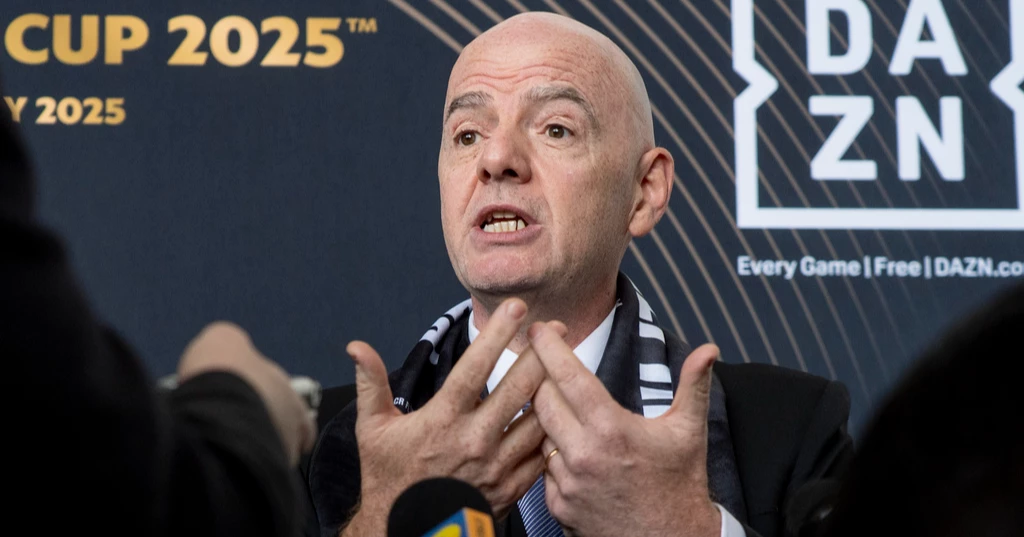
FIFA has announced that it has reached a consensus with global soccer players’ unions on minimum rest standards, including a mandatory 72-hour gap between matches and a minimum 21-day holiday for players at the end of each season.
The agreement emerged from discussions held in New York between FIFA President Gianni Infantino, other FIFA officials, and representatives of players’ unions from around the world. The talks took place ahead of the Club World Cup final between PSG and Chelsea.
The expanded tournament, held during the European offseason, has drawn criticism from unions amid growing calls for stronger safeguards to protect players from injuries and burnout.
“There is a consensus that there must be at least 72 hours of rest between matches, and that players should have a rest period/holiday of at least 21 days at the end of each season,” FIFA said in a statement. “This period should be managed individually by each club and the respective players also depending on their match calendars and taking into account applicable collective agreements.”
FIFA hailed the dialogue as “progressive,” stating that player health remains a “top priority.”
Strict enforcement of the 72-hour rest period could lead to significant scheduling adjustments, particularly in European football. For instance, teams playing in Europa League matches on Thursday evenings may no longer be able to schedule domestic league games on Sundays and might have to shift to Mondays.
Nottingham forest sign Brazilian defender Jair Cunha from Botafogo
This could present a challenge for leagues such as Germany’s Bundesliga, which abolished Monday evening fixtures in 2021 following fan protests favoring weekend matches.
The league had initially introduced Monday games to offer more rest to teams participating in Thursday night European fixtures. The new Bundesliga TV rights deal, effective from next season, does not include Monday matches.
FIFA also emphasized that players should be granted one rest day per week and that travel demands and climate conditions will be considered in future competition planning.
The expanded Club World Cup, involving 32 of the world’s top teams, has been controversial since its announcement, given the already congested football calendar. Scheduled to take place every four years between the FIFA World Cup, the European Championship, and Copa America, the tournament has proceeded amid legal challenges, threats of strike action, and ongoing concerns over the mental and physical well-being of players.