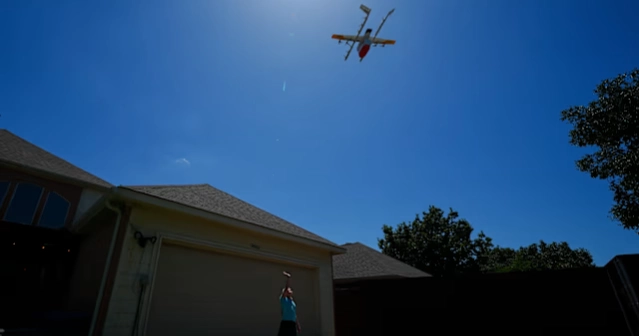
Delivery drones that can transport ice cream before it melts have been slow to gain traction in the United States, despite the Federal Aviation Administration (FAA) approving commercial home deliveries more than six years ago. The service has largely been limited to certain suburbs and rural areas, but that could soon change.
Last week, the FAA proposed a rule to make it easier for companies to operate drones beyond the pilot’s line of sight, potentially enabling deliveries over longer distances without the need for waivers or air carrier certification. Retailers and drone firms testing such services say the change could bring drone deliveries to millions more households.
Walmart, working with Alphabet-owned Wing, currently delivers from 18 Dallas-area stores and plans to expand to 100 locations in Atlanta, Charlotte, Houston, Orlando, and Tampa by next summer. Amazon, which launched Prime Air in Texas in 2022, has expanded beyond pilot sight operations to areas including suburban Phoenix, with more locations planned in Dallas, San Antonio, and Kansas City. Other companies like Zipline and Flytrex have also been active in drone delivery abroad and in select U.S. markets.
Wing CEO Adam Woodworth said U.S. drone delivery had been “in treading water mode” due to regulatory hurdles but believes the market is now reaching a point where demand, technology, and rules are aligning. DoorDash, working with Wing and Flytrex, has tested drone food deliveries in Virginia and Dallas, with expansion to Charlotte underway. While the novelty remains, common items delivered by drones include ice cream, eggs, and candy.
Trump’s tariffs may mean Walmart shoppers pay more, his treasury chief acknowledges
Drones generally carry one small order at a time, with Wing’s models able to handle up to 2.5 pounds over a 12-mile round trip and Zipline’s up to 4 pounds over 120 miles. Amazon’s drones can carry heavier loads. Packages are secured to drones, which then follow automated routes avoiding obstacles before lowering items via retractable cords.
Advocates cite reduced emissions, faster delivery of critical supplies, and improved rural access as benefits. However, challenges include high costs — currently around $13.50 per drone delivery compared to $2 by vehicle — weather limitations, and safety risks. Privacy and noise complaints have also been raised in areas with drone operations, though some residents have embraced the service.
Businesses report positive impacts. A Texas restaurant owner said his DoorDash orders increased 15% since offering drone delivery, and customers have praised its reliability. Some residents, like Frisco, Texas, customer Janet Toth, say drone delivery has become a regular convenience — and a spectacle for her young daughter and friends.
Source: Agency