Global Citizen, the international advocacy group fighting to end extreme poverty, is shifting its strategy towards engaging cities as it seeks to overcome political gridlock that has slowed global policy action.
Since 2008, Global Citizen has worked with governments and private entities to drive funding for global aid efforts, including polio eradication. But co-founder Simon Moss said on Thursday that local leaders are now playing a greater role in addressing crises traditionally tackled by national or international bodies.
“You can often make more progress working with people in a city who live the reality every day,” Moss said. “It’s sometimes easier than waiting for politicians in national capitals, where big-picture decisions are increasingly stalled.”
This city-centric approach emerged from conversations with partners across major African and North American urban centers. Hosting its first U.S. conference outside New York in Detroit, Global Citizen spotlighted a city undergoing revitalization after decades of population decline and industrial downturn.
The group is responding to U.N. projections that over two-thirds of the world’s population will live in cities by 2050 — a trend that could deepen urban poverty if not addressed through inclusive local policies.
Is Outlook down? Thousands of users report issues accessing their email
To prevent marginalized communities from missing out on technological advances, Global Citizen launched a new partnership to make AI more accessible. Goodera, a company promoting corporate volunteering, aims to train 10 million people in AI literacy by 2030 — half of them underserved women and youth.
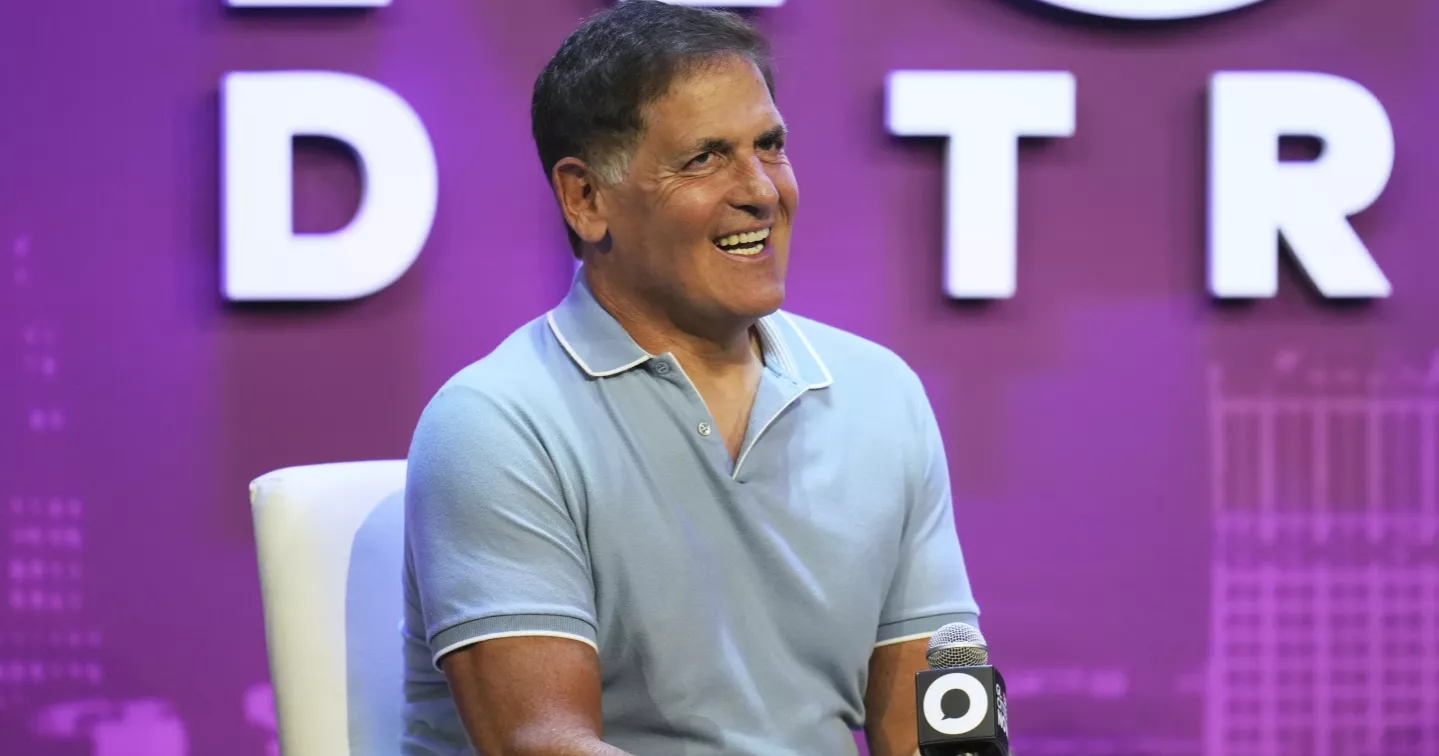
During a panel, billionaire Mark Cuban praised AI tools like ChatGPT for helping small businesses thrive, calling it a game-changer. Ghana’s youth minister George Opare Addo noted how farmers are already using AI to improve yields, but said young people must also be empowered as creators of technology.
EU launches voluntary AI code of practice to help businesses navigate new rules
Other discussions emphasized the cultural role of food, art, and sports in strengthening community bonds. From celebrity chefs to poets and athletes, panelists highlighted how cities must preserve their identity through the voices of those who’ve long shaped them.
Source: Agency