A malfunction in a laser navigation tool led to the crash of a Japanese company’s lunar lander earlier this month, officials confirmed on Tuesday.
Tokyo-based ispace revealed that its lander, named Resilience, failed to make a safe touchdown on the moon’s surface — marking the company’s second lunar crash in as many years.
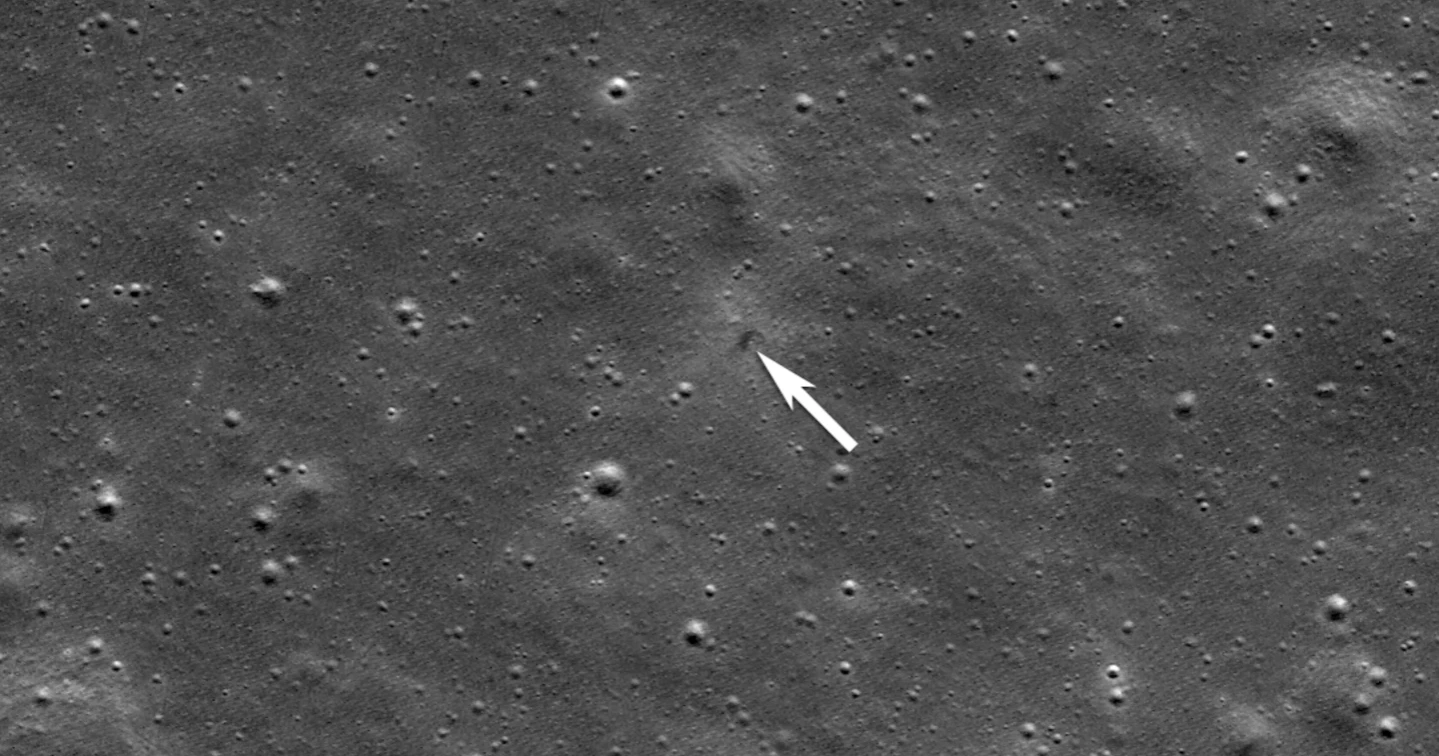
The mission aimed to land near the moon’s far northern region known as Mare Frigoris, or the Sea of Cold. NASA’s Lunar Reconnaissance Orbiter later captured images of the crash site, showing debris from Resilience and its mini rover.
According to ispace, the laser range finder responsible for measuring the lander's altitude did not activate promptly, resulting in a failure to calculate the distance to the surface. As a result, Resilience was descending at roughly 138 feet (42 meters) per second when communication was lost. The spacecraft crashed just five seconds later.
The company's first lunar mission also ended in disaster in 2023 due to faulty software, with both incidents occurring during the critical final descent phase.
Tesla begins robotaxi test run in Austin
Out of seven recent private-sector attempts to land on the moon, only one succeeded — Firefly Aerospace's Blue Ghost lander, which touched down in March. Interestingly, Blue Ghost had shared the same SpaceX launch from Florida as Resilience back in January.
So far, successful moon landings have been achieved by five nations: the United States, Soviet Union, China, India, and Japan. Among them, only the U.S. has sent astronauts to the lunar surface, during NASA's historic Apollo missions over 50 years ago.
Despite consecutive failures, ispace remains committed to lunar exploration. The company is preparing for a third landing attempt in 2027 with support from NASA, along with a fourth mission. Additional tests and technical upgrades are expected to raise project costs by approximately 1.5 billion yen (over $10 million), company officials said.
Samsung electronics eyes turnaround in HBM segment amid AI surge
CEO and founder Takeshi Hakamada emphasized that ispace remains undeterred by recent setbacks and is determined to restore customer confidence. Independent experts will assist with the crash investigation, and the company plans to strengthen its technical cooperation with the Japanese Space Agency.
“We are determined to move forward with our future missions,” Hakamada said in Japanese.
Source: With inputs from agency