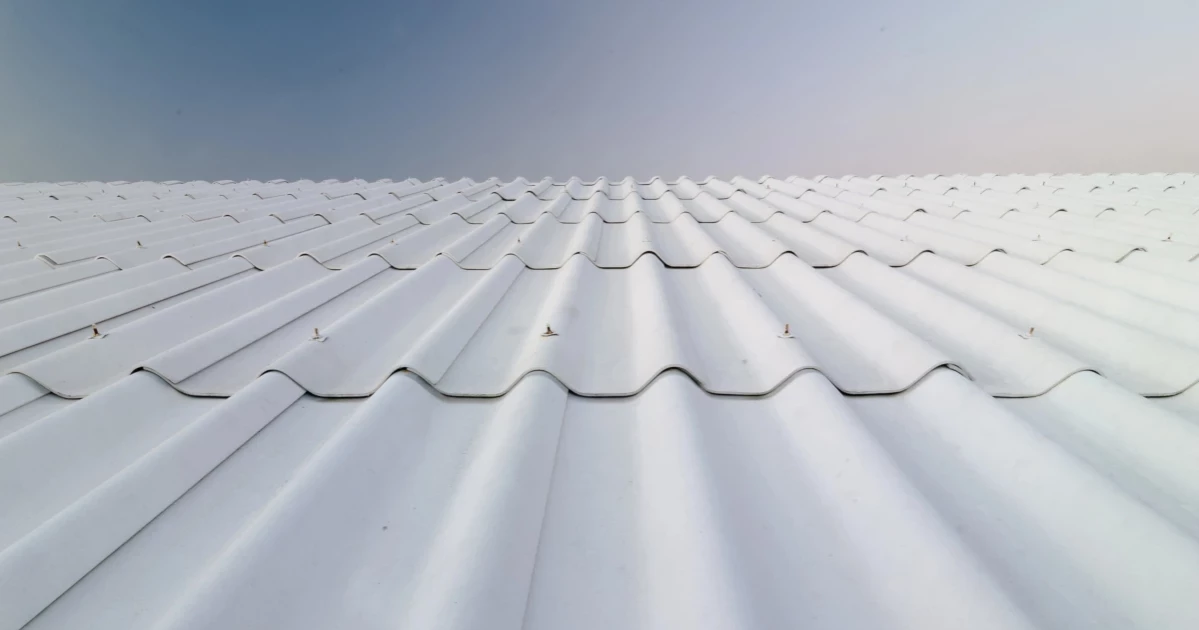
Scientists in Australia have developed a nanoengineered, paint-like polymer coating that can passively cool buildings and capture water directly from the air — all without any energy input.
The invention could help address global water scarcity while reducing the need for energy-intensive cooling systems, according to a statement released Monday by the University of Sydney, which led the research in collaboration with start-up Dewpoint Innovations.
The research team developed a porous polymer coating capable of reflecting up to 97 percent of sunlight and radiating heat into the atmosphere. This allows surfaces coated with the material to remain up to six degrees Celsius cooler than the surrounding air, even under direct sunlight, the statement said.
This cooling process creates ideal conditions for atmospheric water vapour to condense into droplets on the surface — “much like steam condensing on a bathroom mirror,” the researchers explained.
“This technology not only advances the science of cool roof coatings but also opens the door to sustainable, low-cost and decentralised sources of fresh water — a critical need in the face of climate change and growing water scarcity,” said Professor Chiara Neto of the University of Sydney Nano Institute and the School of Chemistry.
In a six-month outdoor trial on the rooftop of the Sydney Nanoscience Hub, the coating was able to collect dew over 32 percent of the year, harvesting up to 390 millilitres of water per square metre daily — enough for a 12-square-metre surface to meet one person’s daily drinking water needs.
Unlike traditional white paints, the new polymer relies on its internal porous structure rather than ultraviolet-reflective pigments such as titanium dioxide. This not only enhances durability but also reduces glare, according to the study, published in Advanced Functional Materials.
“Imagine roofs that not only stay cooler but also make their own fresh water — that’s the promise of this technology,” Professor Neto added.