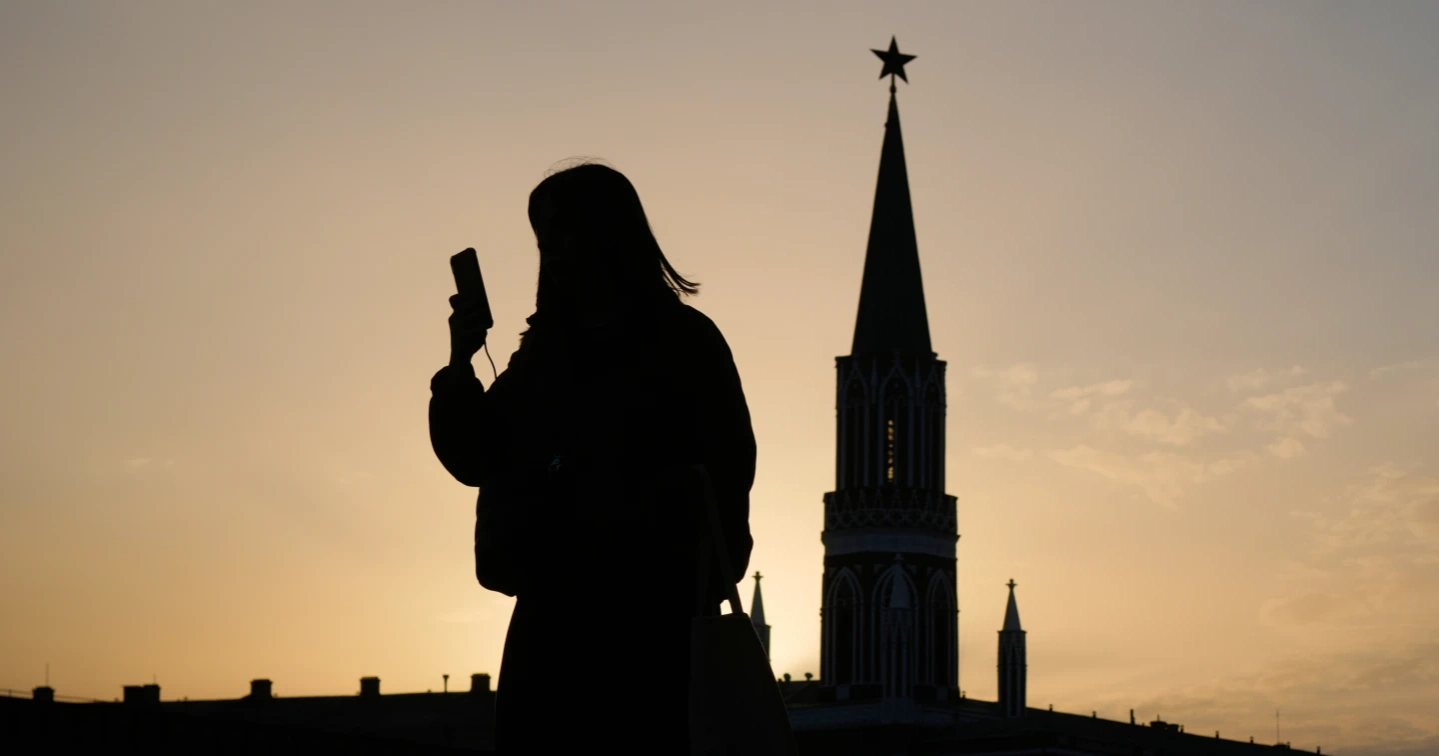
On a sunny weekend in central Moscow, dozens of people queued outside a presidential administration building, as police watched closely. They came to voice complaints over the government’s increasing restrictions on the internet, which have included frequent cellphone internet shutdowns, blocked messaging apps, and limited access to thousands of websites and digital services.
The moves have stirred growing frustration among Russians, affecting daily life, harming businesses, and drawing criticism even from some Kremlin supporters. Knowing that unauthorized protests are harshly suppressed, activists have focused on authorized rallies, putting up posters, and filing lawsuits, while business leaders have urged authorities to ease the measures.
Even Armenia’s Prime Minister Nikol Pashinyan took a subtle jab at Russia during a televised meeting with President Vladimir Putin on April 1, noting that social media in Armenia “is 100% free” without restrictions, prompting an unsmiling reaction from Putin.
The internet clampdown has disrupted digital life, making tasks like ordering taxis, paying bills, and staying in touch with family and friends difficult. Kremlin critic Boris Nadezhdin told AP, “This infuriates a huge number of people.”
A push for full control
Russia has long sought total control over the internet, blocking tens of thousands of websites, messaging apps, and social media platforms that refuse to cooperate. While users have turned to virtual private networks (VPNs) to bypass restrictions, authorities have also blocked many of these tools.
Last year, shutdowns escalated to include cellphone internet and sometimes broadband, leaving only government-approved sites and apps accessible. Officials claim the measures target Ukrainian drones
using Russian networks during the ongoing invasion, but ordinary citizens and businesses in areas unaffected by drones see them as harmful.
WhatsApp and Telegram, the country’s two most popular messaging apps, have faced repeated blocks, while a government-backed app, MAX, is being promoted—widely viewed as a surveillance tool. Voice and video calls were initially blocked, followed by messaging, which often now requires a VPN.
Lawyer Sarkis Darbinyan of digital rights group RKS Global said the government aims to confine users to a “digital ghetto” of Russian-controlled apps, adding, “The internet is no longer this universal digital good.”
Business voices concerns
Business leaders have called for moderation, highlighting the impact on daily life and commerce. Alexander Shokhin, head of the Russian Union of Industrialists and Entrepreneurs, told Putin that cellphone internet shutdowns “made life difficult for both businesses and citizens.” CEOs of major telecom operators also suggested targeted restrictions on suspicious users instead of broad shutdowns.
IT entrepreneur Natalya Kasperskaya criticized the blocking of VPNs for causing weekend outages in banking and other services, calling for dialogue between authorities and the IT sector.
Cautious activism
Activists across Russia have attempted rallies since late February, seeking authorization under strict protest laws. Many applications were rejected, and some organizers were arrested, but small pickets and poster campaigns have taken place.
Nadezhdin and other groups have applied to hold rallies on April 12, Cosmonautics Day, highlighting the link between science, technology, progress, and internet connectivity. “Public frustration is enormous,” he said, noting that people are willing to join authorized protests.
Moscow-based opposition politician Yulia Galyamina echoed the sentiment, saying public discontent over internet restrictions, especially Telegram, “is truly widespread” and growing.