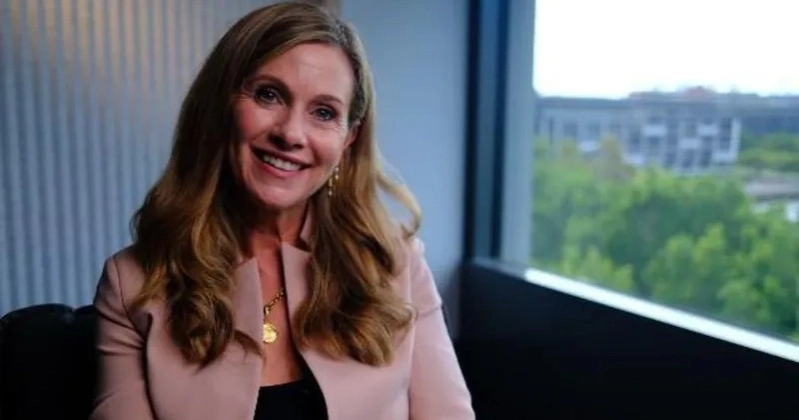
Julie Inman Grant, head of Australia’s eSafety Commission, faces weekly torrents of online abuse, including death and rape threats. The 57-year-old says much of it is directed at her personally, a consequence of her high-profile role in online safety.
After decades in the tech industry, Inman Grant now regulates some of the world’s biggest online platforms, including Meta, Snapchat, and YouTube. Her latest task was enforcing a pioneering law that bans Australians under 16 from social media, a move that has drawn global attention.
The law, which came into effect on December 10, covers ten platforms. Many parents support it, believing it gives them backing in managing their children’s online activity. Critics, however, argue children need guidance rather than exclusion, and that the ban may unfairly affect rural, disabled, and LGBTQI+ teens who rely on online communities. Tech companies too have voiced reservations, saying a ban is not the solution, even though they plan to comply with the law.
Inman Grant says delaying social media access can help children build critical thinking and resilience. She compares online safety to water safety: children need to learn to navigate risks, whether it’s predators or scams, much like learning to swim safely in the ocean. She acknowledges her own initial hesitation over a full ban, but eventually supported it while shaping how the law is applied.
At home, Inman Grant’s three children, including 13-year-old twins, have been a test case for the policy. She sees social media restrictions as a way to allow kids to grow without having mistakes broadcast widely.
Born in Seattle, USA, she grew up near tech giants Microsoft and Amazon. She briefly considered a career with the CIA but moved into tech, advising a US congressman on telecommunications before joining Microsoft. In the early 2000s, a Microsoft posting brought her to Australia, where she later became a citizen and joined Twitter and Adobe. Her experience inside tech companies gave her insight into their workings, preparing her for her regulator role.
Appointed eSafety Commissioner by Malcolm Turnbull, she has expanded the office’s reach, quadrupled its budget, and increased staff. Her work has earned
recognition across political lines, though it has also drawn sharp criticism abroad, particularly from the US, where she has been called a “zealot” for global content takedowns.
Her office has handled cases ranging from livestreamed violence to AI-related threats, with Inman Grant warning that harmful content can normalize or radicalize users. She now sees artificial intelligence as the next pressing challenge in online safety.
Having served nearly a decade, Inman Grant says she may step down next year but remains committed to global online safety, potentially helping other countries build similar regulatory frameworks.
With inputs from BBC