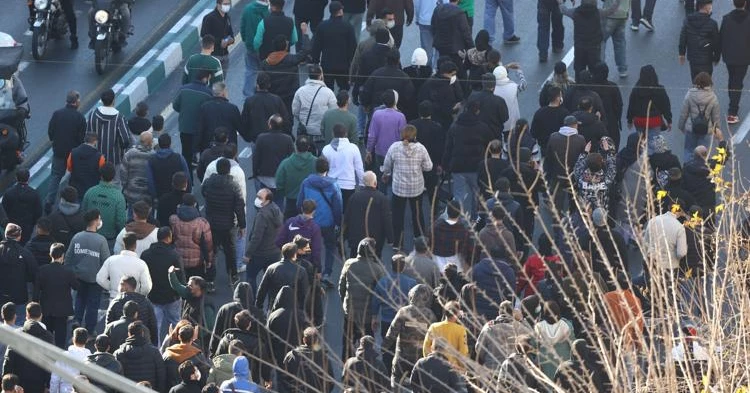
Protests driven by Iran’s worsening economic conditions expanded into rural provinces on Thursday, leaving at least seven people dead in the first reported fatalities involving both demonstrators and security personnel, according to authorities.
The deaths — two on Wednesday and five on Thursday — were reported in four cities, many located in areas predominantly inhabited by Iran’s Lur ethnic community. The casualties suggest a possible shift toward a tougher response by the country’s ruling clerics as unrest slows in Tehran but intensifies elsewhere.
The demonstrations mark Iran’s most significant unrest since 2022, when nationwide protests erupted following the death of Mahsa Amini in police custody. While the current protests have not reached the same scale or intensity, they have spread steadily beyond the capital.
The worst violence was reported in Azna, in Lorestan province, about 300 kilometers southwest of Tehran. Videos circulating online appeared to show fires in the streets and the sound of gunfire, as crowds shouted slogans condemning authorities. The semi-official Fars news agency reported three deaths there.
Additional fatalities were reported in Lordegan, Fuladshahr and Kouhdasht. Activist groups accused security forces of opening fire in some cases, while state-linked media blamed protesters for the death of a Basij paramilitary volunteer.
Officials acknowledged that rising inflation, currency depreciation and economic hardship were driving the protests. Iran’s rial has sharply fallen, with the dollar trading at around 1.4 million rials.
Authorities reported arrests and claimed calm had since returned, even as tensions persist nationwide.
Source: AP