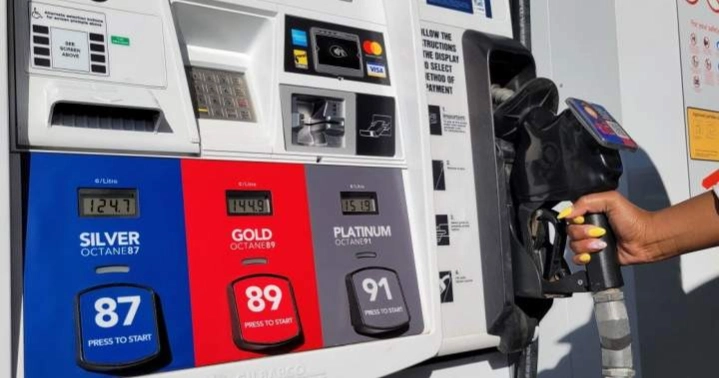
The average price for a gallon of gasoline in the United States rose 11 cents overnight to around $3.11, the motor club AAA reported, as tensions in the Middle East drove crude oil prices higher.
Gas prices were already climbing ahead of the summer driving season, as refiners transition to summer fuel blends. The recent surge comes after the U.S. launched military strikes on Iran, prompting Tehran to retaliate with attacks on American facilities, drones targeting the U.S. Embassy in Saudi Arabia, and strikes on energy infrastructure in Qatar and Saudi Arabia.
The conflict also disrupted tanker traffic through the Strait of Hormuz, a key passage for about one-fifth of global oil trade.
Benchmark U.S. crude futures jumped 8.6 percent to $77.36 per barrel, while Brent crude, the international standard, rose 6.7 percent to $81.29 per barrel.
“Crude oil prices are the single largest factor in what U.S. drivers pay at the pump,” AAA noted. Increases in crude typically translate into higher gas prices within two to three weeks. Research by the Federal Reserve Bank of Dallas in 2019 indicates that a $10 per barrel rise in crude generally adds about 25 cents per gallon to pump prices.
Experts warn that ongoing disruptions in global oil supply due to the Iran conflict could further increase gas prices, affecting consumers across the U.S. and contributing to broader inflationary pressures in energy-dependent sectors.
With oil markets already sensitive to geopolitical tensions, analysts say drivers should brace for continued volatility at the pumps in the coming weeks if the situation in the Middle East escalates.