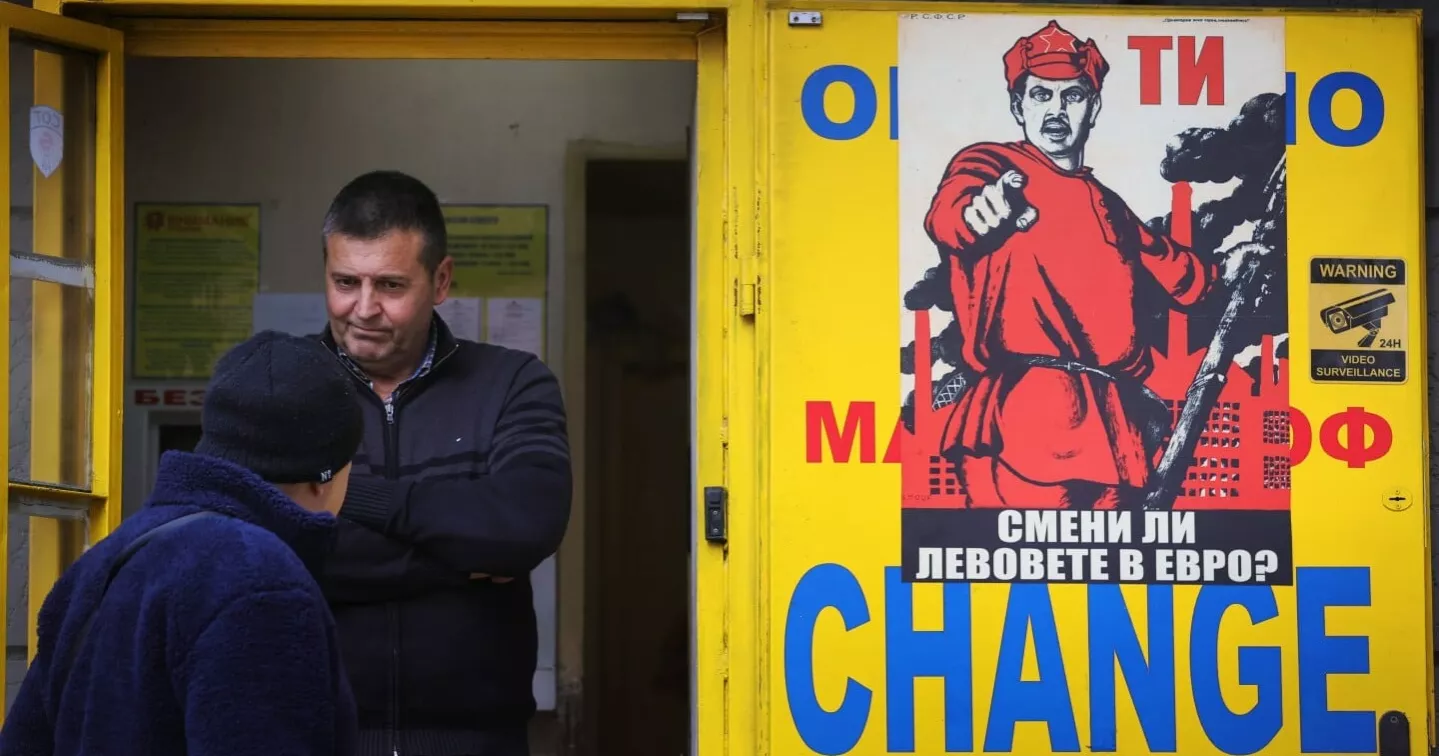
Bulgaria becomes the 21st country to adopt the euro on New Year’s Day, marking a milestone in its European Union integration, even as many citizens express concern over potential price increases and economic instability.
Supporters view the switch from the lev as a major achievement since the country’s 1989 transition from a Soviet-style economy to democracy and free markets. They hope euro adoption will attract investors and strengthen ties with wealthier Western European nations.
Yet public confidence remains low. Inflation has rebounded to 3.7%, and surveys indicate about half of Bulgarians oppose joining the euro. Political instability has compounded worries: the government resigned after less than a year amid anti-corruption protests, leaving Bulgaria without a full budget and ahead of its eighth election in five years.
Some citizens, like 64-year-old Nevelin Petrov, welcome the euro as a step toward long-term prosperity, while others, such as Sofia pedicure salon owner Darina Vitova, caution that rising prices and low incomes may make daily life harder despite the convenience of a shared currency with EU neighbors.
Economists note that immediate economic changes may be modest, since the lev has been pegged to the euro since 1999. Analysts also say euro adoption could strengthen Bulgaria’s European integration and reduce Russian influence, while offering a signal to investors about the country’s commitment to EU standards, though political uncertainty may temper that effect.
Dual use of the lev and euro will continue throughout January, but all change will be given in euros.