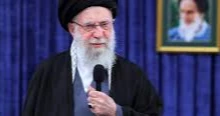
Activists say the death toll from Iran’s nationwide crackdown on protests last month has reached at least 7,002, with many more feared dead.
The gradual increase in reported fatalities adds to mounting tensions inside Iran and abroad as the country engages in stalled negotiations with the United States over its nuclear program. A second round of talks remains uncertain, as Israeli Prime Minister Benjamin Netanyahu has reportedly pressed U.S. President Donald Trump to take a harder line on Tehran.
“There was nothing definitive reached other than I insisted that negotiations with Iran continue to see whether or not a Deal can be consummated. If it can, I let the Prime Minister know that will be a preference,” Trump wrote on his TruthSocial account. He added that previous attempts at deals had failed and hoped Iran would now act more reasonably.
At home, Iran continues to face public anger over its harsh suppression of dissent. This resentment may grow as families of the dead begin observing the traditional 40-day mourning period.
Activist figures and verification
The U.S.-based Human Rights Activists News Agency, which reported the latest figures, has a history of accurately tracking deaths in past unrest in Iran. The organization relies on a network of contacts within the country and has gradually verified fatalities amid difficult communications.
Iran’s government last reported a death toll of 3,117 on Jan. 21. Historically, Iranian authorities have undercounted or withheld fatality figures during unrest. The Associated Press has been unable to independently confirm the latest figures due to restricted internet and international communications in Iran.
Diplomatic developments
Senior Iranian security official Ali Larijani met in Qatar on Wednesday with Foreign Minister Sheikh Mohammed bin Abdulrahman Al Thani. He also held meetings with Hamas representatives and, in Oman, with Houthi rebels backed by Tehran. Larijani told Al Jazeera there was no formal U.S. proposal but an “exchange of messages” took place.
Qatar, which shares a major offshore natural gas field with Iran, has often played a mediating role. Its state news agency reported that Emir Sheikh Tamim bin Hamad Al Thani discussed regional tensions and de-escalation efforts with President Trump.
Meanwhile, the U.S. has deployed the aircraft carrier USS Abraham Lincoln, additional ships, and warplanes to the Middle East to exert pressure on Iran and maintain strike capabilities if needed. U.S. forces have already shot down a drone near the carrier and intervened to assist a U.S.-flagged ship in the Strait of Hormuz. Trump told Axios that a second carrier may be sent to the region.
Nobel laureate Narges Mohammadi in danger
The Norwegian Nobel Committee expressed deep concern over reports that 2023 Peace Prize laureate Narges Mohammadi has been subjected to physical abuse, harsh interrogation, and life-threatening mistreatment in prison. The committee called for her immediate and unconditional release.
Mohammadi, 53, was sentenced to over seven more years in prison. She had been on furlough in December 2024 for medical reasons, but supporters had warned she faced re-arrest. The committee noted she has fainted multiple times, suffers from high blood pressure, and has been denied medical follow-up for suspected breast tumors.