
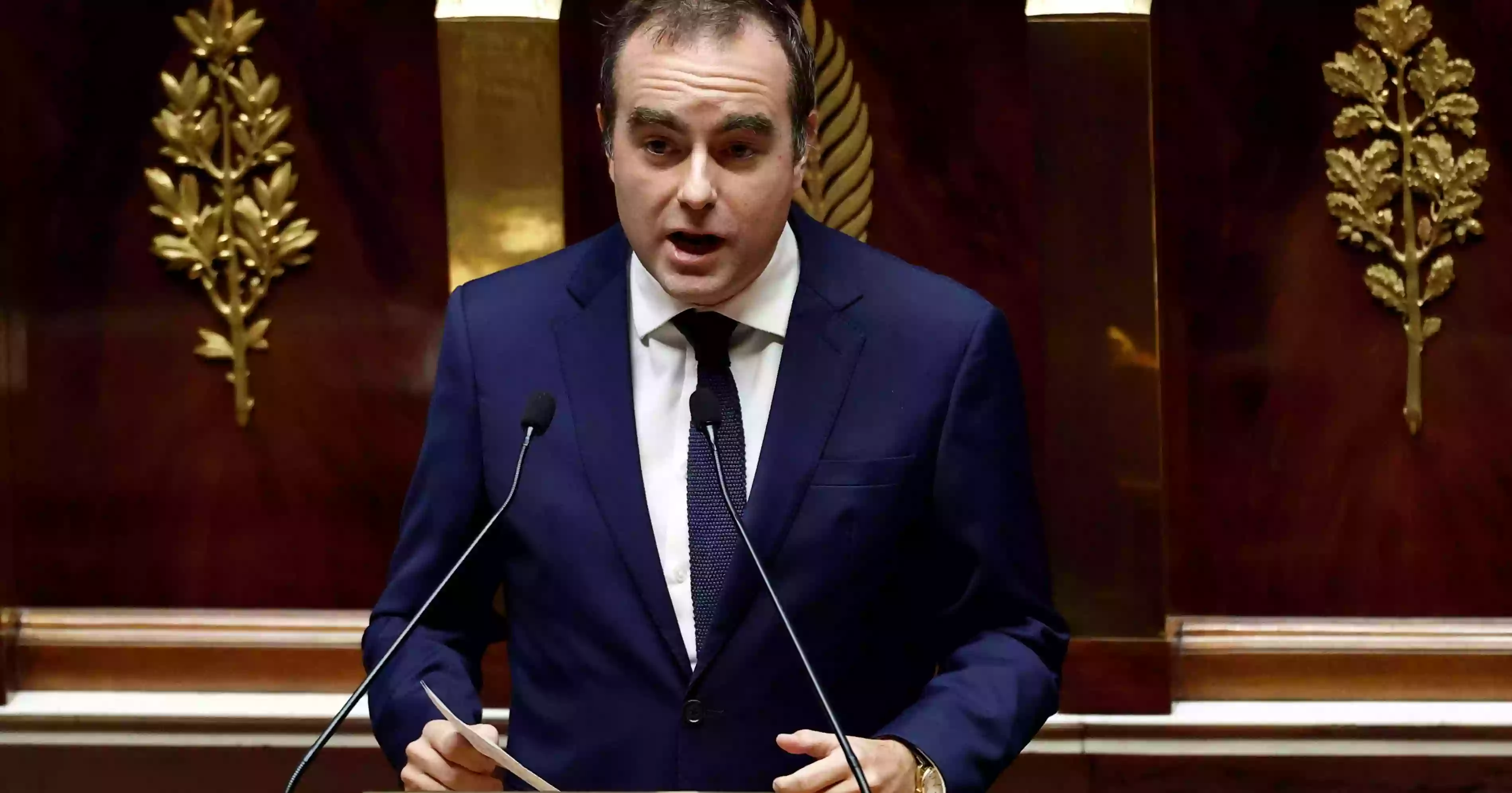
France’s social security budget faces a high-stakes parliamentary vote on Tuesday that could spark a political crisis and leave a €30 billion ($35 billion) shortfall for healthcare, pensions, and welfare programs.
Prime Minister Sebastien Lecornu, lacking a parliamentary majority, has secured Socialist backing by suspending President Macron’s 2023 pension reform, but this move alienated centrist and conservative allies, leaving the bill’s approval uncertain, reports reuters.
Lawmakers in the lower house began reviewing the legislation after 4 p.m. local time, following narrow approval of the taxation portion. Budget Minister Amelie de Montchalin said she could not predict the outcome, though the government might promise additional funding for hospitals to win over reluctant parties, including the Greens. Socialist leader Olivier Faure indicated his party’s support after concessions, while far-right and hard-left factions are expected to oppose the bill. Centrist Horizon and conservative Republicains may abstain or vote against it, criticizing Lecornu for sacrificing pension reform and increasing taxes to appease the Socialists.
Social security accounts for over 40% of France’s public spending. Lecornu warned that rejection could create a €30 billion gap, nearly double the original €17 billion allocation, threatening the entire 2025 budget. With the year-end approaching, the government may need stopgap measures. The administration aims to reduce France’s budget deficit to below 5% of GDP next year but faces a fragmented parliament without a majority, making budget passage difficult.
Budgetary instability has plagued France since Macron lost his parliamentary majority in last year’s snap election, leading to three governments falling. Last year, budget disputes triggered a no-confidence vote that toppled Michel Barnier’s cabinet, highlighting ongoing political volatility.
This vote is seen as a key test of Lecornu’s ability to navigate a divided legislature while securing funding for essential social programs.