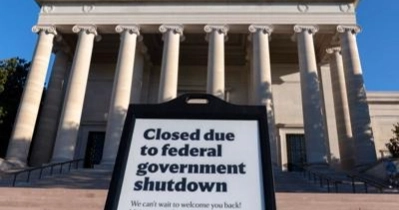
The longest government shutdown in U.S. history could end Wednesday, Day 43, leaving few winners and widespread frustration. Democrats failed to secure health insurance provisions they sought in the spending deal, while Republicans, who control Congress, faced criticism in polls and recent state and local elections.
The shutdown disrupted millions of Americans, including federal workers who went without pay and airline passengers whose trips were delayed or canceled. Interruptions in nutrition assistance programs contributed to long lines at food banks, intensifying stress as the holiday season approaches.
The tentative agreement funds key areas through bipartisan Senate Appropriations bills, including food aid, veterans programs, and the legislative branch. Other funding is extended until the end of January, giving lawmakers more than two months to finalize additional spending bills.
The standoff began over a Democratic demand to extend an enhanced tax credit that lowers Affordable Care Act premiums. The credit, initially boosted during the COVID-19 pandemic and later in President Joe Biden’s energy and health care bill, is set to expire at the end of December. Without it, premiums could more than double for millions, and more than 2 million people could lose coverage, the Congressional Budget Office projects.
Democratic leaders sought negotiations on the tax credit, but Republicans insisted that a funding bill be passed first. Senate Majority Leader John Thune, R-S.D., promised a December vote on the extension, though many Democrats demanded a guaranteed solution.
The shutdown also exposed broader political tensions. Democratic leaders faced internal pressure as progressives pushed for stronger opposition to the Republican agenda. Republicans accused Senate Democrats of catering to the party’s left wing, while both parties held nearly daily press briefings to shape public perception.
Roughly six in 10 Americans place significant responsibility on former President Donald Trump and Congressional Republicans, while 54% blame Democrats, according to an AP-NORC poll. At least three-quarters assign both parties some responsibility.
The Congressional Budget Office estimates the shutdown will result in a permanent $11 billion economic loss, though much of the temporary disruption will be recovered once operations resume. Beyond numbers, the shutdown caused significant financial and emotional strain for federal workers, disrupted travel, and suspended benefits for people relying on programs such as SNAP.
“This dysfunction is damaging enough to our constituents and economy, but it also sends a dangerous message to the world,” said Sen. Jerry Moran, R-Kan. “It shows our allies we are unreliable and signals to adversaries that we cannot meet even the most basic responsibilities of Congress.”