
Hong Kong’s legislature on Wednesday approved a new law to regulate online ride-hailing services, requiring platforms such as Uber and their drivers to obtain licenses after years of pressure from the city’s taxi industry.
According to officials, the first licensed platforms are expected to begin operations by late 2026.
Under the new law, the city’s transport commissioner will grant licenses based on a company’s experience, financial capacity, and investment plans. Licensed operators must ensure proper service quality and verify that all vehicles and drivers on their platforms hold valid permits.
Drivers must be at least 21 years old, have held a private car license for at least one year, and have no major traffic convictions within the past five years. They will also be required to pass a test and complete a pre-service training course.
Uber Hong Kong welcomed the move, calling it “a significant milestone in integrating ridesharing into the city’s transport system” and in providing clear rules for both riders and drivers.
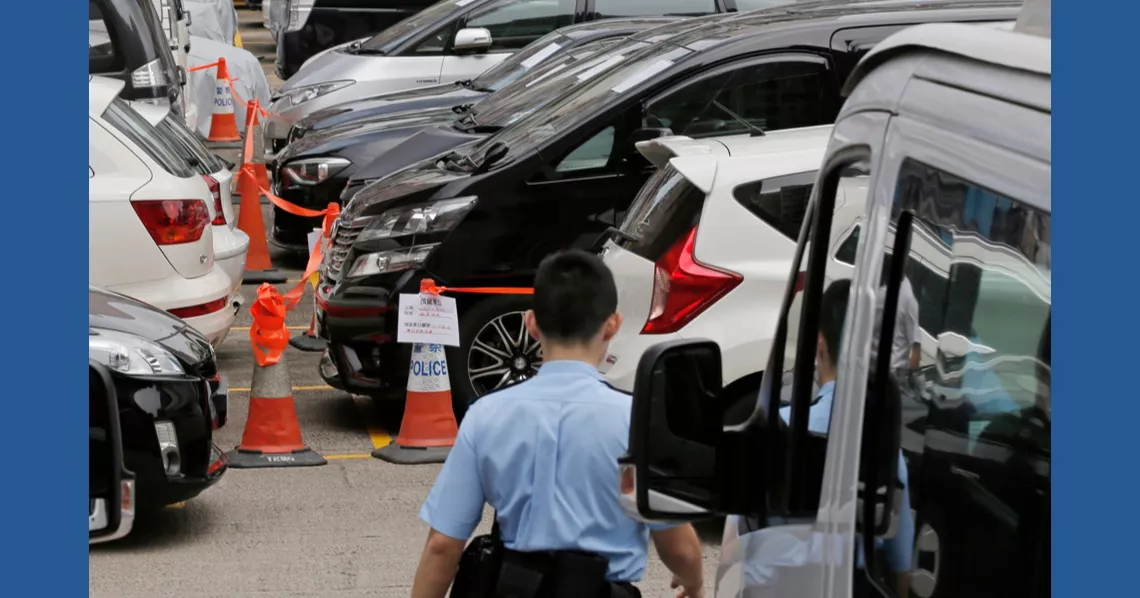
Police have previously cracked down on Uber drivers for operating without permits, and more than two dozen drivers were fined in 2018. Taxi operators have long opposed ride-hailing apps, arguing that they threaten their business.
Uber, which began operating in Hong Kong in 2014, has faced repeated legal and regulatory hurdles but remains popular among commuters dissatisfied with taxi services.
Authorities said a cap on the number of ride-hailing vehicles will be proposed in a supplementary regulation next year before license applications open.
Those operating ride-hailing services without a license will face fines of up to HK$1 million (about US$128,600) and up to one year in prison, the bill states.