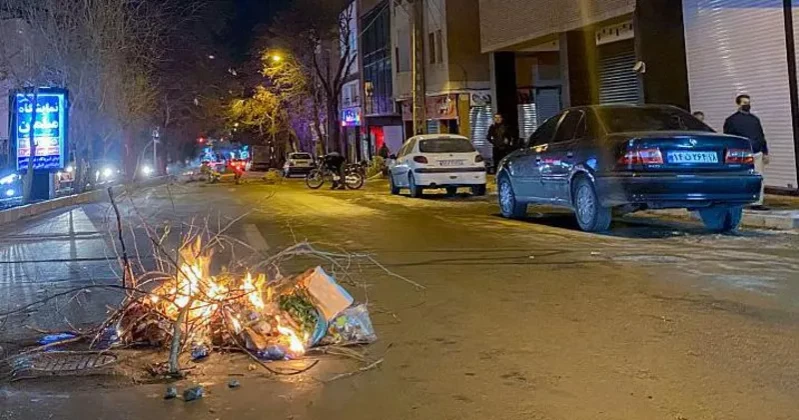
Tens of thousands of Iranians took to the streets across Tehran and other cities, demanding an end to the Islamic Republic and, in some places, calling for the return of the monarchy.
The protests, ongoing since late December, have drawn people from all walks of life—young and old, rich and poor—angry at the clerical government that has ruled the country for nearly 50 years.
Many protesters expressed frustration over economic hardship, corruption, and lack of political freedoms. A shopkeepers’ strike at Tehran’s grand bazaar on December 28, triggered by the falling value of the Iranian currency, sparked the latest wave of demonstrations. University protests followed, despite authorities ordering closures.
Chants such as “Death to the Dictator” and “Freedom, Freedom” echoed through the streets. New chants called for the return of Reza Pahlavi, son of the late Shah of Iran. Observers say the support for the monarchy reflects anger at the current regime and a desire for change.
Independent reporting is limited because of heavy restrictions on media and internet access. Social media videos show clashes and protests spreading to hundreds of towns and cities, particularly in western Iran.
Many participants said they were determined and angry, unlike earlier protests in 2022 following the death of Mahsa Amini. Some even said young people from families connected to the regime were joining secretly.
It is unclear how the protests will evolve, but they mark one of the most widespread public demonstrations in Iran in recent years.
With inputs from BBC