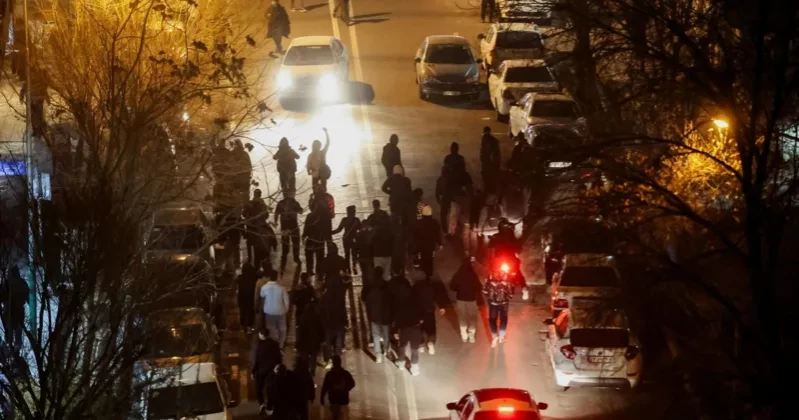
Young Iranians who took part in recent nationwide protests have told the BBC that the security forces’ response marked one of the deadliest crackdowns in the history of the Islamic Republic, as human rights groups report thousands of deaths amid a near-total communications blackout.
Several protesters from Tehran and other cities said the unrest, which began on Dec 28 over worsening economic conditions, rapidly escalated into mass demonstrations demanding political change. They said the authorities responded with overwhelming force as protests intensified on Jan 8 and 9.
A 29-year-old woman from Tehran said the scale of the killings was unprecedented compared with earlier protests. She claimed to personally know at least 13 people who had been killed during the unrest, adding that demonstrations in her area were peaceful before security forces opened fire.
Another protester, a 24-year-old man from Tehran, said he had never witnessed such large crowds or such levels of violence. He said many people continued to protest despite the deaths, believing they had nothing left to lose.
According to the US-based Human Rights Activists News Agency (Hrana), at least 6,159 people have been confirmed killed since the protests began, including protesters, children and individuals affiliated with the government. Hrana said it is investigating reports of thousands more deaths and warned that the confirmed toll is likely to rise.
Norway-based group Iran Human Rights has said the final death toll could exceed 25,000.
Iranian authorities, however, said more than 3,100 people were killed, claiming most were security personnel or bystanders targeted by what they described as “rioters”.
Due to restrictions on international media, foreign journalists have been unable to report freely inside Iran. However, videos verified by the BBC appear to show security forces using live ammunition and pellet guns against crowds.
Protesters also described widespread injuries, particularly to the face and eyes, and said hospitals were overwhelmed with wounded demonstrators. Some said they avoided public hospitals for fear of arrest.
Several activists and witnesses alleged that authorities pressured families of those killed, demanding large sums of money or requiring victims to be recorded as members of security forces in order to release bodies. Human rights groups say such practices may be intended to intimidate families and obscure the true scale of the killings.
The communications shutdown has further deepened fear and uncertainty, with protesters saying they struggled to obtain information about missing friends and relatives during the unrest.
Iran’s leadership has blamed foreign powers, particularly the United States, for fomenting the protests, a claim repeatedly rejected by protesters and rights groups.
With inputs from BBC