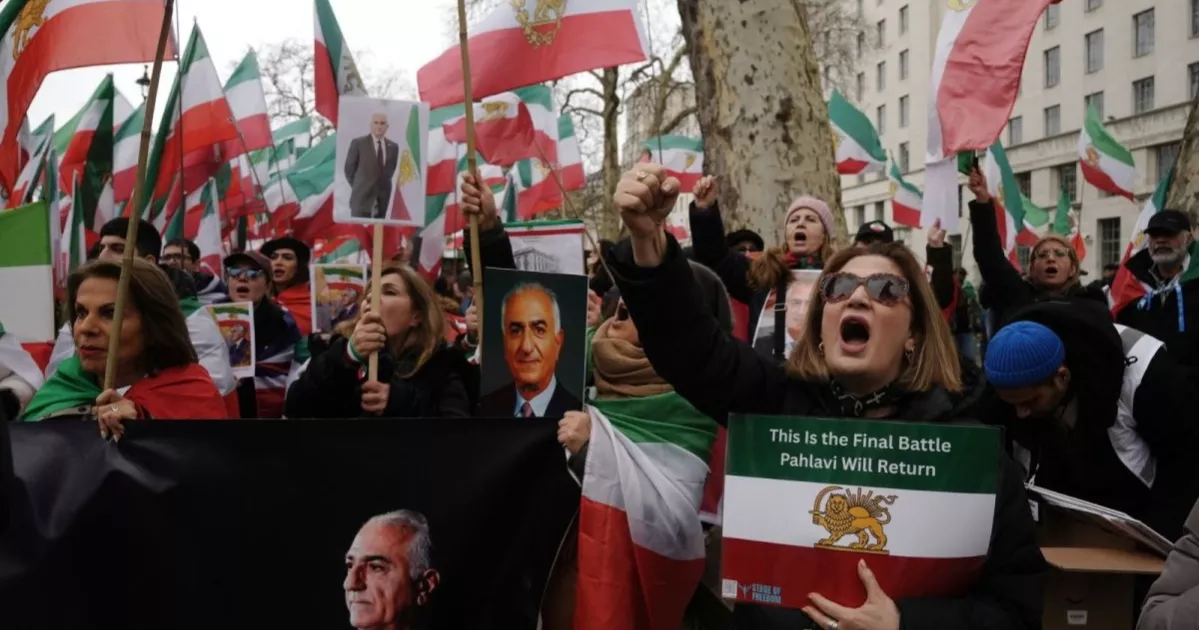
Students at several universities across Iran staged anti-government demonstrations over the weekend, marking the first rallies of this scale since last month’s deadly crackdown by authorities.
Verified footage showed hundreds of students marching on the campus of Sharif University of Technology in the capital Tehran on Saturday at the start of the new semester. Protesters chanted anti-government slogans, including “death to the dictator,” referring to Supreme Leader Ali Khamenei. Scuffles later broke out between demonstrators and pro-government supporters.
Peaceful sit-ins were also reported at Shahid Beheshti University, while chanting against the government was heard at Amir Kabir University of Technology. In the north-eastern city of Mashhad, students reportedly shouted slogans demanding freedom and rights.
The protests were held to honour thousands killed during mass demonstrations in January, which began over economic grievances and evolved into the largest unrest since the 1979 Islamic Revolution. The US-based Human Rights Activists News Agency said at least 7,015 people were killed in that wave, including protesters, children and government-affiliated individuals, while Iranian authorities put the toll at more than 3,100, many of them security personnel or bystanders.
It was not immediately clear if arrests were made, though some reports suggested protests continued into Sunday.
The unrest comes amid rising tensions between Tehran and Washington over Iran’s nuclear programme. The US and European allies suspect Iran is moving toward developing a nuclear weapon, a claim Tehran denies. Talks between US and Iranian officials in Switzerland earlier this week reportedly made progress, but President Donald Trump said a decision on a deal or possible military action could come within days.
US envoy Steve Witkoff said Trump was “curious” why Iran had not yielded despite Washington’s military build-up. Meanwhile, opposition groups remain divided, with some calling for US intervention and others warning against outside involvement.
With inputs from BBC