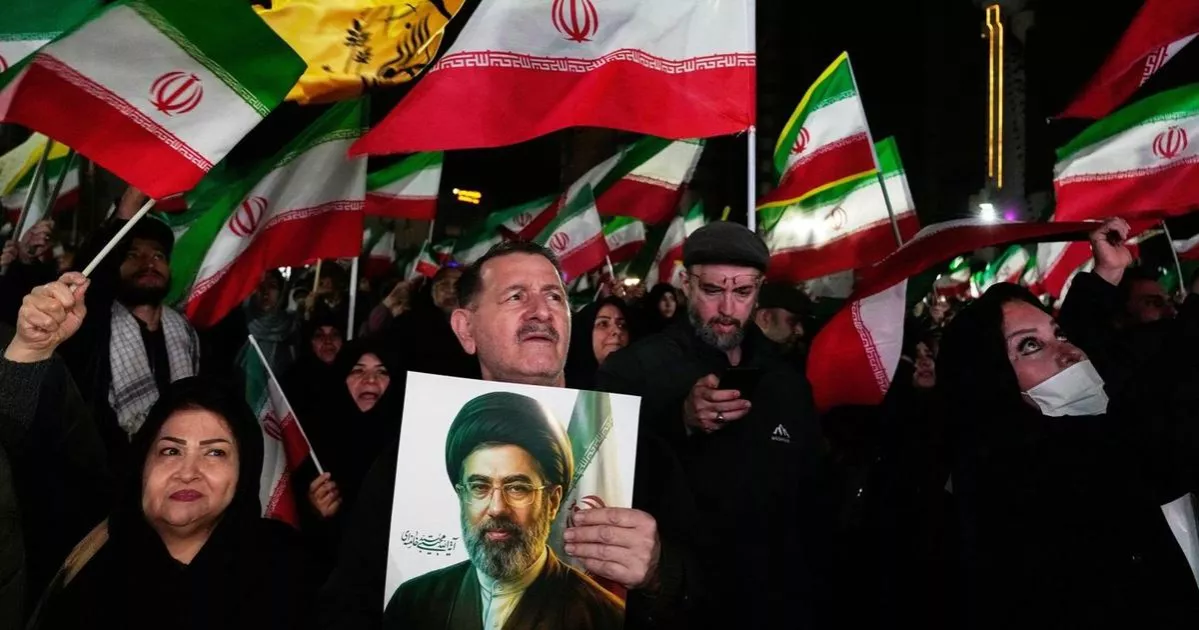
Iran and the United States have hardened their positions as efforts to secure a ceasefire in the Middle East war showed little progress, with Tehran tightening its grip on the strategic Strait of Hormuz and Washington reinforcing its military presence in the region.
Iran has moved to formalize control over the vital waterway, through which about 20% of global oil and gas passes, with reports suggesting some vessels are being charged fees to transit. Shipping analysts described the system as a “de facto toll booth,” with certain ships reportedly paying in Chinese yuan.
At the same time, the United States is deploying additional forces to the region, including a strike group led by the USS Tripoli carrying around 2,500 Marines, along with at least 1,000 paratroopers from the 82nd Airborne Division.
Despite the buildup, it remains unclear whether US President Donald Trump will order direct military action against Iran. However, US military officials say operations have already significantly degraded Iran’s naval and missile capabilities.
Meanwhile, violence continues across the region. Sirens sounded in Israel over incoming Iranian missiles, while in the United Arab Emirates, two people were killed and three injured by falling debris from intercepted missiles. Saudi Arabia also reported intercepting drones over its Eastern Province.
Iran’s control over the strait and continued attacks on regional energy infrastructure have pushed global oil prices sharply higher, with Brent crude rising more than 40% since the conflict began.
Diplomatic efforts appear stalled. While Washington says negotiations are ongoing through intermediaries, Iran has denied holding any talks and rejected the idea of direct engagement. Tehran has instead proposed its own framework, which includes recognition of its authority over the Strait of Hormuz.
Since the war began, casualties have mounted across multiple countries, underscoring the growing regional and global impact of the conflict.