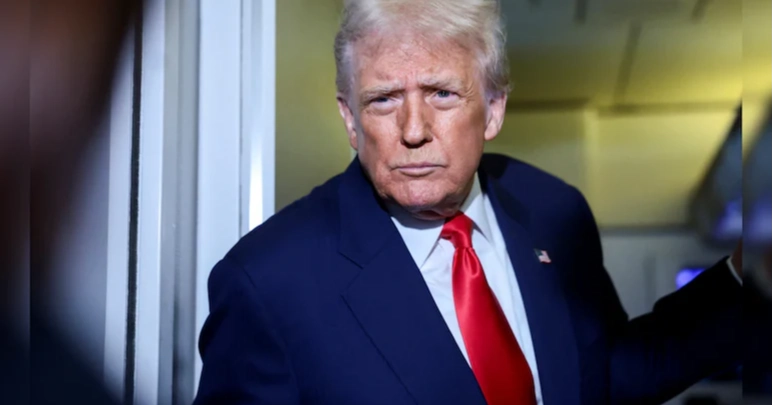
Rising economic pressure linked to the Iran war is weighing on US President Donald Trump’s popularity, with recent data showing declining approval ratings amid growing concerns over living costs.
Since returning to the White House last January, Trump’s public support has steadily eroded, reflecting dissatisfaction over inflation and affordability. Analysts say these economic concerns have helped Democrats perform strongly in special elections over the past year.
According to polling by Ipsos, Trump’s approval on the economy fell from 43% at the start of his second term to around 35% by June 2025, and has since dropped further to 29%. The decline comes as the Iran war pushes fuel prices higher, with gasoline nearing $4 per gallon on average.
Overall approval ratings have also slipped. Data compiled by political analyst Nate Silver shows Trump’s approval falling from 52% early in his term to about 40% recently, a level seen as risky ahead of upcoming midterm elections.
Despite the decline, Trump continues to retain strong backing from Republican voters. Surveys by the Pew Research Center indicate his core support remains largely intact, even as a majority of Americans oppose US military involvement in Iran.
A Quinnipiac poll found 86% of Republicans support military action in Iran and 80% approve of Trump’s handling of the conflict. However, support drops sharply among the broader electorate, with only about one-third backing his approach.
Political observers say independent voters, who were key to Trump’s 2024 election victory, appear to be turning away, potentially posing a challenge for Republicans in the November elections.
While Trump’s base remains loyal, analysts warn that prolonged conflict and sustained economic pressure could further weaken his standing in the months ahead.
With inputs from BBC