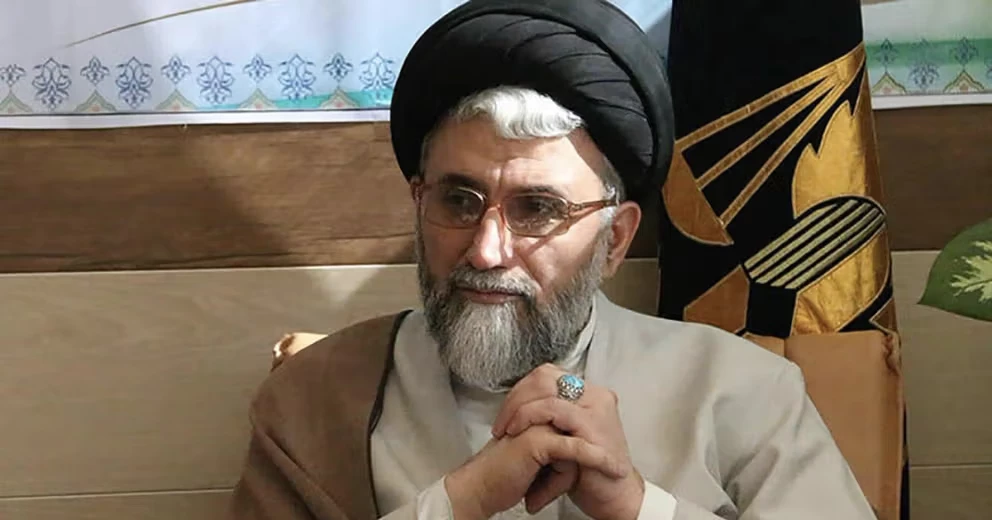
Israel has claimed it killed Iran’s Intelligence Minister Esmail Khatib in an overnight strike, further escalating tensions across the Middle East amid ongoing exchanges of attacks.
Israeli Defence Minister Israel Katz said Khatib was “eliminated” during the operation, but there has been no immediate confirmation from Iranian authorities.
The claim came as Israel carried out a series of strikes in Lebanon, including in central Beirut, where at least 10 people were killed and 27 injured, according to Lebanese officials. One strike destroyed a building in a commercial area, signalling an expansion of targets beyond Hezbollah strongholds.
Israel said the attacks targeted financial networks linked to Hezbollah, as well as command centres and weapons storage facilities in southern Lebanon.
Meanwhile, Iran and its allied groups launched retaliatory strikes. In Israel, at least two people were killed in Tel Aviv following missile attacks. Air defence systems were also activated across several Gulf countries, including the UAE, Qatar and Saudi Arabia, where incoming drones and missiles were intercepted.
Tensions have also risen around the Strait of Hormuz, a key global oil shipping route, with Iran effectively blocking traffic since the conflict began. The United States said it struck Iranian missile sites near the waterway using bunker-penetrating bombs.
The conflict intensified following the killing of senior Iranian figures, including security chief Ali Larijani, prompting warnings of a “decisive” response from Iran’s military leadership.
The humanitarian situation is deteriorating across the region. In Lebanon, around one million people have been displaced, with hundreds killed since the escalation. Concerns are also growing over the safety of thousands of seafarers stranded in the الخليج amid continued hostilities.
The situation remains highly volatile, with ongoing strikes, counterattacks and rising fears of a broader regional conflict.
With inputs from BBC