Prime Minister Benjamin Netanyahu says Israel intends to expand its offensive beyond Gaza City to the last areas not under Israeli control, where most of Gaza’s 2 million residents have taken shelter as the territory faces worsening famine.
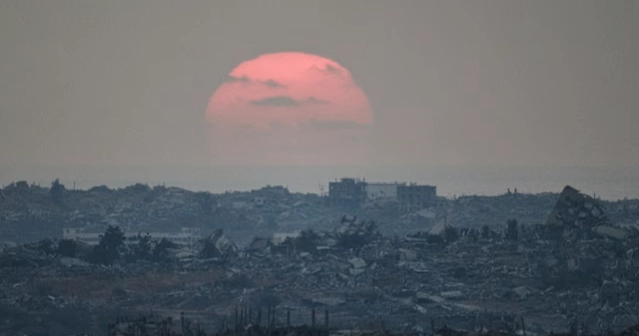
The mobilization is expected to take weeks, and some analysts suggest the threat of a wider operation could be aimed at pressuring Hamas to release more hostages or surrender after 22 months of war triggered by its Oct. 7, 2023 attack on Israel. Any expansion is expected to bring further destruction to Gaza, where about 75% of the territory is already heavily damaged and under Israeli control. It could also worsen displacement and hinder aid deliveries during the severe hunger crisis.
The plan has caused debate in Israel, with hostage families fearing their loved ones could be endangered, and some former senior security officials questioning the military value. Netanyahu said the offensive will move into Gaza’s “central camps” — Nuseirat and Bureij — and beyond, referring to them as Hamas strongholds alongside Gaza City, Muwasi, and the city of Deir al-Balah. These are among the few areas not yet devastated in earlier operations and are suspected to contain hostages in hidden locations.
An Israeli official, speaking anonymously, said the operation will not begin immediately and will require significant mobilization, potentially including thousands of reservists. The official noted that the announcement was partly intended to increase political and military pressure.
Netanyahu promised civilians could flee to “designated safe zones” with food, water, and medical care, without specifying the locations. Muwasi was earlier designated a humanitarian area but quickly became overcrowded with tents and lacking basic services, and Israel has conducted airstrikes there. Some Israeli officials have floated relocating Gaza’s population to a “humanitarian city” in Rafah or encouraging “voluntary emigration” abroad — proposals Palestinians and much of the international community consider forced displacement.
Netanyahu has said the war will end if Hamas gives up power, surrenders its weapons, and releases the remaining 50 hostages, about 20 of whom are believed alive. He said Israel would maintain long-term security control over Gaza, with administration by Arab forces friendly to Israel — though none have agreed to take on the role.
Hamas has offered to release the hostages in exchange for a permanent ceasefire and Israeli withdrawal from Gaza, saying it is willing to hand power to other Palestinians but will not disarm while Israel occupies land sought for a future Palestinian state. The group is unlikely to give up hostages if it believes Israel would resume the war to eliminate Hamas and depopulate Gaza.
Israel broke off a ceasefire in March that had enabled the release of 25 hostages and the remains of eight others. Since then, it has tightened its blockade, carried out daily airstrikes, expanded its buffer zone, and ordered mass evacuations. Hamas has released only one hostage since, as a gesture to the United States.
The 2023 Hamas-led attack killed about 1,200 people, mostly civilians, and took 251 hostages. More than half have been freed through ceasefires or other deals. Gaza’s Health Ministry says Israel’s offensive has killed around 61,500 Palestinians, with women and children making up roughly half of the dead. The U.N. and independent experts view the ministry’s figures as credible, though Israel disputes them and has not provided its own count.
Source: Agency