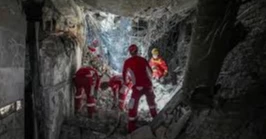
Iranian dissident Sayeh Seydal narrowly survived an Israeli missile strike on Tehran’s Evin Prison, stepping out of the clinic just before it was destroyed. The June 23 strike killed at least 71 people, including staff, soldiers, visitors, and nearby residents, according to Iranian authorities.
In the aftermath, Seydal and other inmates were moved to overcrowded prisons outside Tehran, known for poor conditions. In a recent phone call to her family, Seydal described her new prison as "a slow death," saying the bombing didn’t kill her—but the conditions might.
Activists Sound Alarm Over Crackdown
Human rights activists warn that Israel’s air campaign—aimed at Iran’s nuclear capabilities—is worsening internal repression. Families are struggling to learn the whereabouts of political prisoners, particularly those held in solitary or under interrogation at Evin.
Nobel laureate Narges Mohammadi, herself a longtime prisoner, said from Tehran that war undermines civil society and the women’s rights movement. She noted an increased security presence in the capital and warned of shrinking political space.
Execution Fears Grow
Activists fear a new wave of executions targeting dissidents. After the Iran-Iraq War in 1988, authorities executed around 5,000 political prisoners. Since Israel’s current campaign began, Iran has already executed six prisoners.
The judiciary is now fast-tracking a bill that would expand the death penalty for alleged collaboration with foreign enemies. Human rights advocates warn this could lead to show trials and further executions.
The Human Rights Activists in Iran group reports nearly 1,300 arrests within 12 days—many over social media posts or alleged espionage.
Evin Prison Hit During Visiting Hours
Evin, long a symbol of political repression, was struck while families were visiting. Among those injured were activists, lawyers, and protesters detained over the years for speaking out against Iran’s clerical regime and social restrictions.
Seydal, a legal scholar jailed since 2023, recounted being knocked down by the blast moments after leaving the clinic. Visiting areas, court offices, and prisoner wards were damaged. Prisoners were quickly moved: at least 65 women were transferred to Qarchak Prison, which Seydal described as filthy and overcrowded. Male inmates were sent to the Grand Tehran Penitentiary, known for holding high-security and criminal detainees.
Disappearances and Torture Fears
Some political prisoners have vanished. Ali Younesi, a 25-year-old student serving a sentence for alleged threats to national security, disappeared shortly before the attack. His family hasn't heard from him since, raising fears of torture or secret execution.
Amnesty International reported that Ahmadreza Djalali, a Swedish-Iranian academic sentenced to death, was moved to an unknown location after the strike.
‘Hope Is Gone’
Activists and relatives abroad, like Mehraveh Khandan, whose parents have both been imprisoned, say the strike shattered their hope for reform or prisoner releases. Her father, Reza Khandan, was recently jailed for protesting Iran’s mandatory dress code for women and is now reportedly held in a bug-infested, overcrowded cell.
“The war has destroyed everything activists were building,” she said.