Israel carried out strikes on Iran’s nuclear sites just hours after warning it would intensify its campaign against Tehran. In response, Iran launched an हमला on a base in Saudi Arabia, injuring U.S. troops and damaging aircraft.
About a month into the conflict, a possible breakthrough emerged as Iran agreed to permit humanitarian and agricultural shipments through the Strait of Hormuz following a U.N. request. Iran’s ambassador in Geneva said the country would help speed up the movement of such aid.
The waterway is critical to global trade, handling a large share of the world’s oil and fertilizer shipments. While much attention has been on disrupted energy supplies, limits on fertilizer trade could also threaten agriculture and global food security.
Iran described the decision as part of its commitment to ensuring aid reaches those in need quickly, while the U.N. has created a task force to deal with the war’s impact on aid distribution.
Meanwhile, Iran’s strike on Prince Sultan Air Base injured at least 10 U.S. personnel, two of them seriously, and caused damage to several refueling aircraft.
Earlier, Israel targeted two Iranian nuclear-related facilities, including sites linked to heavy water and uranium processing. Iran said the attacks caused no casualties or contamination but warned it would retaliate strongly.
Tensions escalated further as Iran fired missiles toward Israel, killing a civilian in Tel Aviv and prompting air raid sirens across major cities. Israel responded with additional strikes on weapons production and missile infrastructure inside Iran.
Former U.S. President Donald Trump renewed calls for Saudi Arabia and Israel to normalize relations, saying such a move could follow once the conflict ends, though obstacles remain, including Saudi demands for progress toward a Palestinian state.
The U.S. continues to push for a diplomatic resolution, proposing a ceasefire plan that includes limits on Iran’s nuclear program and reopening the Strait of Hormuz. Iran rejected the proposal and offered its own terms, including compensation and recognition of its control over the waterway.
Economic impacts are worsening, with global markets falling and oil prices rising sharply. In the U.S., growing fuel costs have sparked discussions about suspending gasoline taxes.
Fighting intensified again, with airstrikes reported in Tehran and multiple தாக்குதல்கள் in Israel causing damage and casualties. Saudi Arabia said it intercepted missiles aimed at Riyadh, while other Gulf locations and infrastructure also sustained damage.
International efforts to de-escalate continue, with countries attempting to broker talks and the G7 calling for an immediate halt to attacks on civilians and infrastructure. At the same time, the U.S. has deployed additional troops to the region as a precaution.
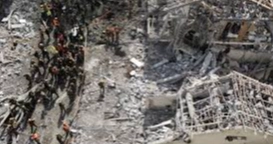
The humanitarian toll continues to rise, with widespread destruction in Iran and growing displacement risks. Thousands have been killed across Iran, Lebanon, Israel, and other affected areas, including U.S. troops and regional security forces, raising fears of a broader crisis if the conflict continues.