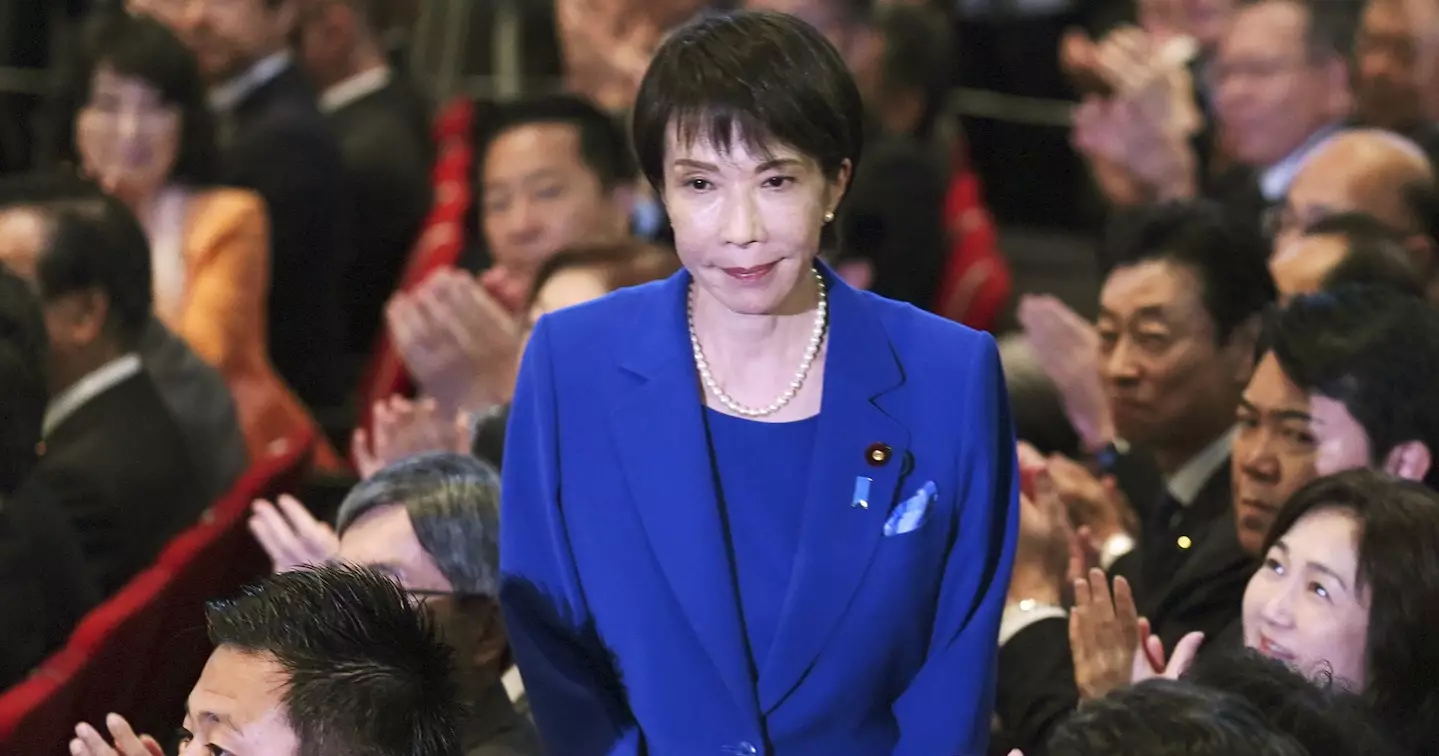
Japan’s new Liberal Democratic Party (LDP) president, Sanae Takaichi, is set to become the country’s next prime minister, raising questions about women’s advancement in a nation already ranked low on global gender equality indices.
At 64, Takaichi is an ultra-conservative figure within the male-dominated LDP and an admirer of former British Prime Minister Margaret Thatcher. She also champions the conservative vision of former Prime Minister Shinzo Abe. Takaichi becomes the first woman to lead the party that has dominated Japan’s postwar politics almost continuously.
Elected to parliament in 1993 from her hometown of Nara, Takaichi has held key positions, including minister of economic security, internal affairs, and gender equality. However, female lawmakers in her party often face marginalization when advocating for diversity and gender equality, and Takaichi has largely maintained traditionalist views endorsed by male party leaders.
Women hold only about 15% of seats in Japan’s lower house, the more powerful parliamentary chamber, and just two of the nation’s 47 prefectural governors are women.
Known for her unconventional past as a heavy-metal drummer and motorbike rider, Takaichi promotes a stronger military, increased fiscal spending for growth, nuclear fusion, cybersecurity, and stricter immigration policies. She has promised to boost female representation in her cabinet, but experts warn her leadership may still hinder women’s advancement, as she must balance loyalty to male power brokers to maintain her position.
Takaichi has supported traditional gender roles for women, yet has recently discussed her own menopausal challenges and emphasized educating men about women’s health to improve workplace and school conditions.
She opposes same-sex marriage, a change allowing married couples to keep separate surnames, and supports male-only succession for the imperial family. Takaichi is also a wartime history revisionist and China hawk, frequently visiting the controversial Yasukuni Shrine. Her positions on history and national security may complicate relations with Beijing and Seoul and pose challenges for LDP’s coalition with the moderate Komeito party.