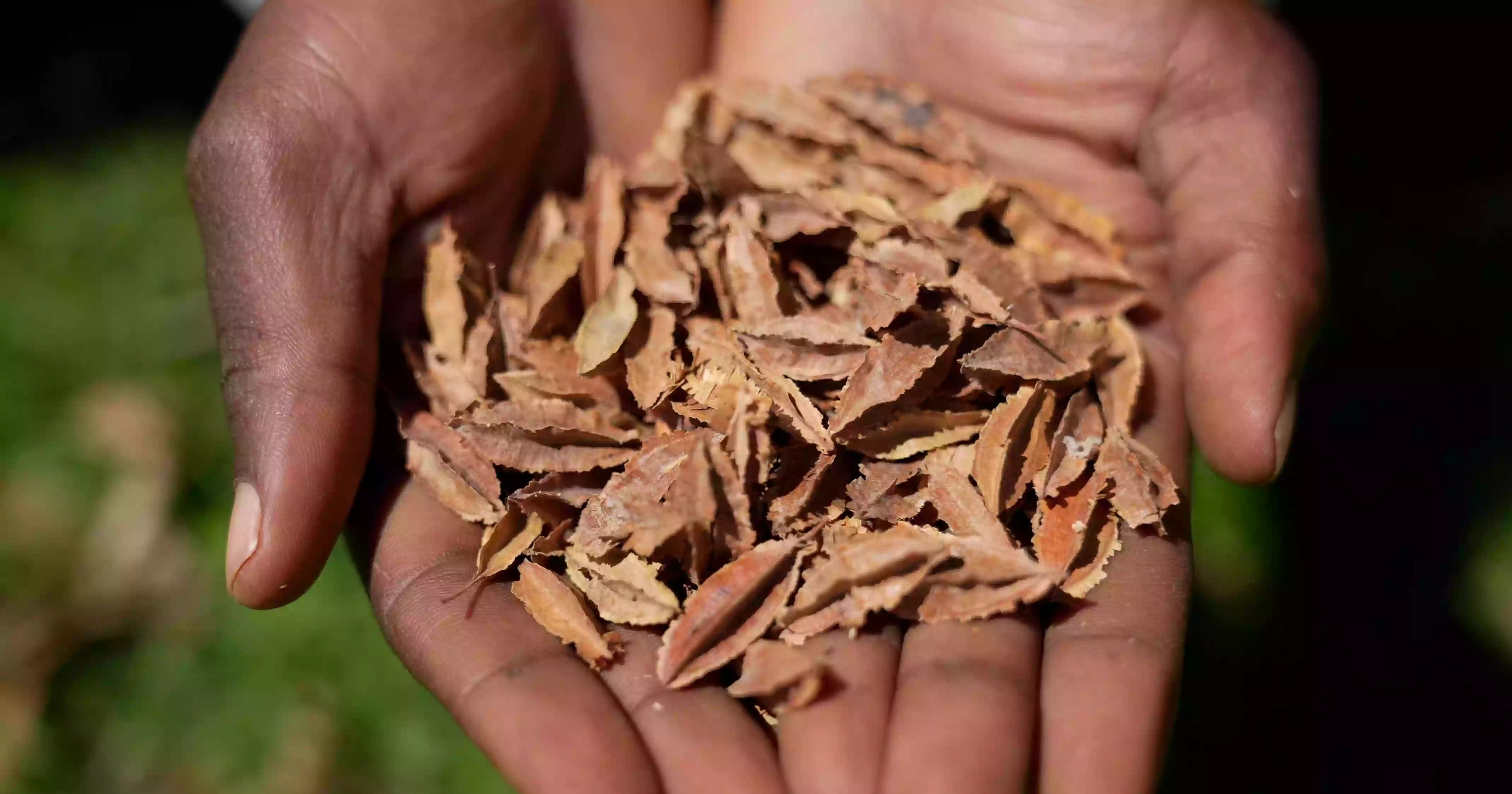
A Kenyan high court on Thursday ruled that portions of a 2012 seed law, which barred farmers from sharing or selling indigenous seeds, are unconstitutional, marking a major victory for food security advocates.
The law had imposed penalties of up to two years in prison and fines of 1 million Kenya shillings ($7,700) for farmers exchanging seeds through community seed banks. Justice Rhoda Rutto also struck down sections granting government officials authority to raid seed banks and seize seeds.
The legislation was originally intended to curb the sale of counterfeit seeds and gave exclusive trading rights to licensed companies. Fifteen smallholder farmers, members of long-standing community seed banks, challenged the law in court.
Samuel Wathome, one of the farmers, welcomed the ruling. “My grandmother saved seeds, and today the court has said I can do the same for my grandchildren without fear of the police or of prison,” he said.
Elizabeth Atieno of Greenpeace Africa called the decision a “victory for our culture, our resilience, and our future,” adding that it counters corporate control over the food system and validates the use of indigenous seeds.
Food campaigners have long promoted the preservation of local seeds as a means of improving food security, emphasizing their drought resistance and adaptability to local climates, which often surpass hybrid varieties.
Kenya maintains a national seed bank near Nairobi, but farmers argue that community seed banks are crucial for diversity and accessibility. The country has previously faced challenges from counterfeit seeds that caused substantial losses in its predominantly rain-fed agricultural sector.
The ruling is expected to empower farmers to continue traditional seed-saving practices and strengthen local resilience against climate challenges.