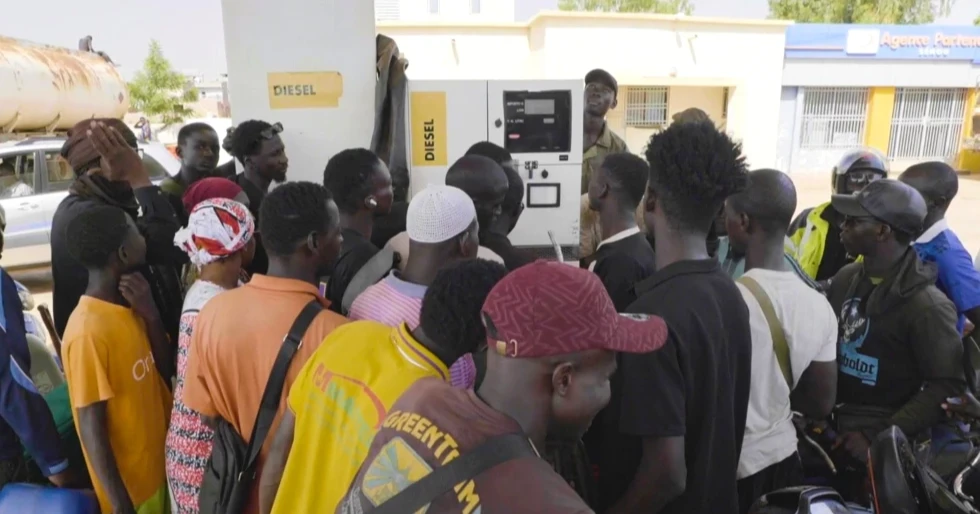
Mali is grappling with a severe fuel shortage after jihadi militants imposed an unusual blockade on imports, heightening pressure on the landlocked West African nation.
Education Minister Amadou Sy Savane said late Sunday that schools across the country will remain closed for two weeks, citing fuel scarcity that prevents teachers and other workers from commuting.
The blockade, targeting fuel imports from Senegal and Ivory Coast, has disrupted Mali’s economy and military operations. Hundreds of fuel trucks remain stranded at the borders, while rising fuel prices are deepening hardships for millions of Malians.
Militants from the al-Qaida-linked Jama’at Nusrat al-Islam wal-Muslimin (JNIM) launched the ban in early September, retaliating against government measures earlier this year that limited fuel supply to remote areas to pressure insurgents.
Analysts say the blockade is a show of strength and a tactic to undermine the Malian military junta, which has struggled to contain decades-long jihadi threats. JNIM’s operations have forced transport companies to halt fuel deliveries along major routes.
Mali’s 2020 military coup promised stability, but violence has surged, with some attacks this year the deadliest in over three years, according to the Armed Conflict Location & Event Data Project. Despite support from Russian mercenaries and partnerships with neighboring Niger and Burkina Faso, the security situation remains dire.
The fuel crisis has forced residents in Bamako to queue for hours, sometimes overnight, at gas stations. The military has attempted to escort fuel trucks to the capital while striking JNIM positions, but attacks continue to disrupt deliveries.
Experts warn that the ongoing blockade is worsening economic and social conditions in one of the world’s least developed nations, where nearly half of the population lives below the poverty line despite Mali being a leading gold producer.