Millions of Afghans are facing acute hunger as cuts in international aid worsen an ongoing humanitarian crisis, with nearly half the population dependent on assistance for survival.
Rahimullah, a 29-year-old former Afghan Army soldier, earns about $4.5 to $6 daily selling socks in Kabul to support his family of five. Like millions of others, he relies on aid from both Afghan authorities and international organizations. The International Committee for the Red Cross estimates that 22.9 million people in Afghanistan will need assistance in 2025.
Aid reductions, including the suspension of U.S. support for UN World Food Program operations, have left more than 17 million Afghans facing crisis-level hunger this winter, up from 14 million last year. The cuts come amid a struggling economy, droughts, two deadly earthquakes, and the return of millions of Afghan refugees expelled from neighboring countries.
Tom Fletcher, the UN humanitarian chief, told the Security Council that nearly 22 million Afghans will require assistance in 2026, with 3.9 million in urgent need. “This winter is the first in years with almost no international food distribution,” he said, noting that only around 1 million vulnerable people received aid during the 2025 lean season compared to 5.6 million in the previous year.
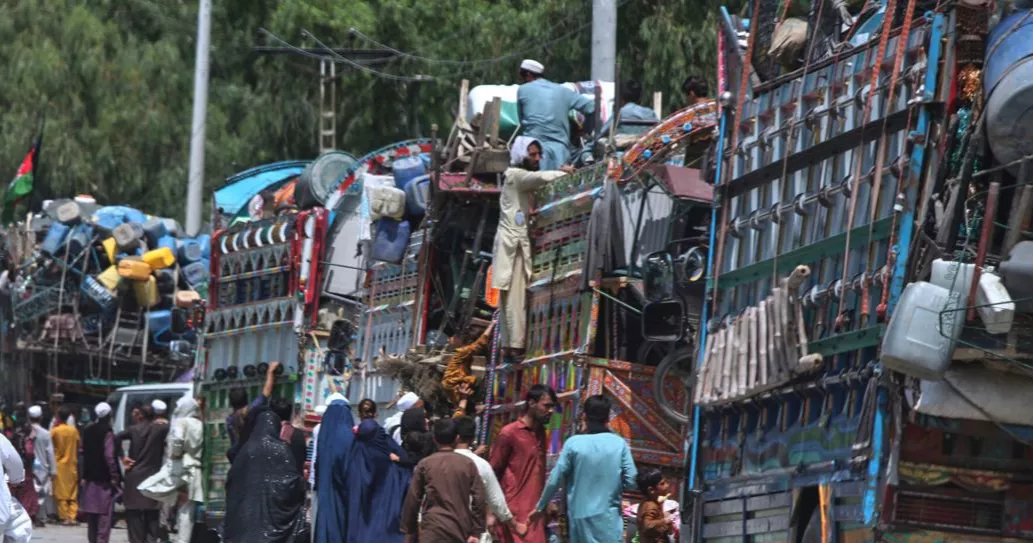
Returning refugees have added pressure on housing and food. Abdul Kabir, Minister of Refugees and Repatriation Affairs, said 7.1 million Afghan refugees returned over the past four years. Rahimullah, deported from Pakistan, initially received cash and food aid but now struggles to cover basic expenses, including rent, which has nearly doubled.
In northern provinces, families like Sherin Gul’s, with 12 members, face extreme hardship. Once reliant on humanitarian supplies, they now depend on sporadic work and neighbors’ help, often going to bed hungry. Harsh winters and rising fuel costs further compound their struggles.
Before the Taliban takeover, many, including Rahimullah and Gul, had jobs that supported their families. Restrictions on women’s employment have left women like Gul unemployed, intensifying the crisis.
Humanitarian agencies warn that without renewed aid, Afghanistan risks a worsening food crisis, particularly as cold winter conditions strain families’ limited resources.