
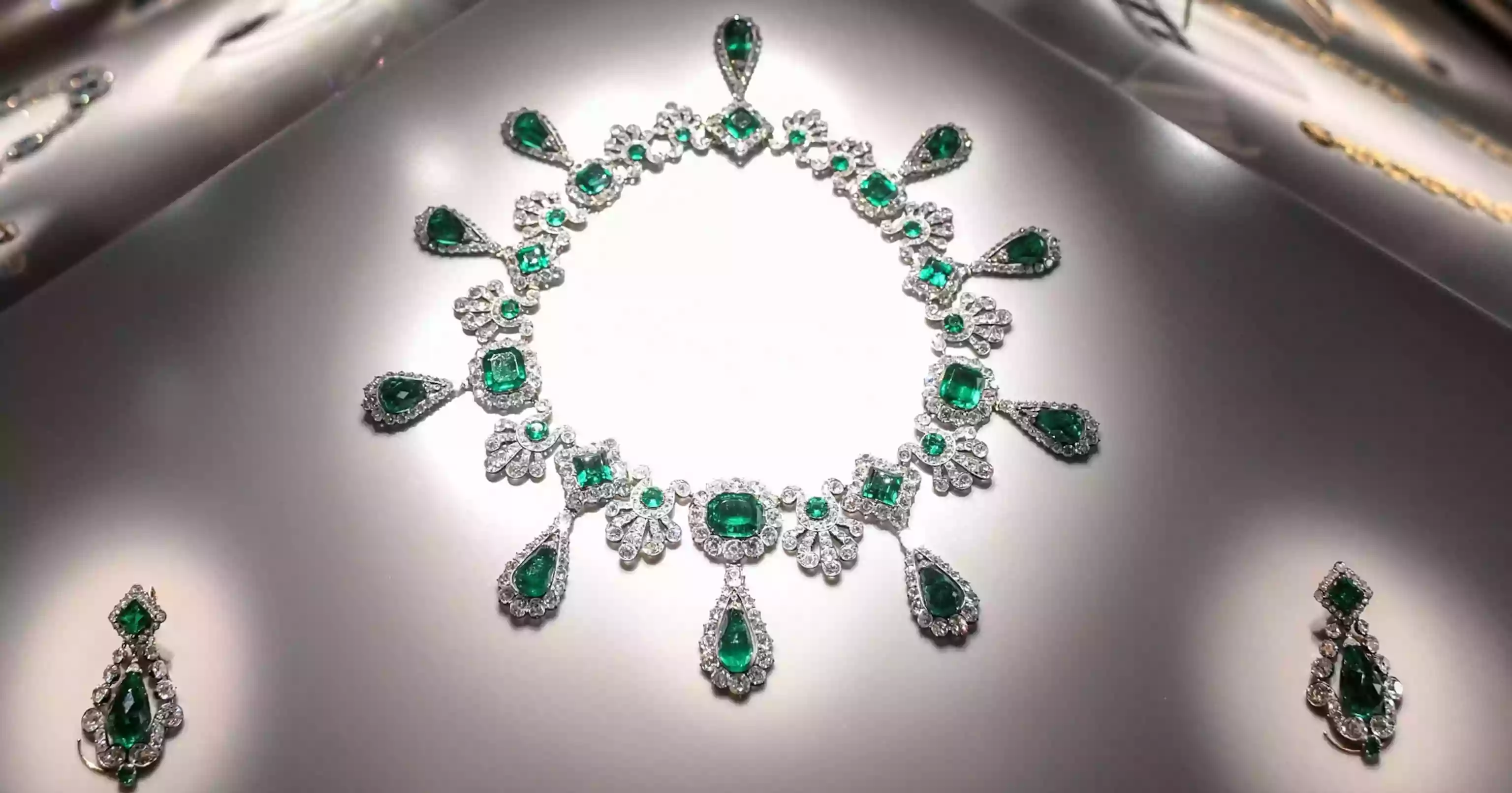
The Louvre Museum in Paris was struck by a daring theft on Sunday morning, when robbers stole eight priceless pieces of Napoleonic jewelry in a four-minute raid.
Using a truck-mounted ladder to access the gilded Galerie d’Apollon on the second floor, the thieves cut through a window with an angle grinder. While one stolen crown, belonging to Empress Eugenie, Napoleon III’s wife, was recovered nearby after being dropped, reports Al Jazeera.
The Louvre, once a royal palace and opened to the public in 1793, has long attracted thieves seeking its treasures. Over time, its collection has faced multiple heists, from the iconic Mona Lisa to jewelry and smaller artworks.
1911: The Mona Lisa Heist
Leonardo da Vinci’s Mona Lisa became globally famous after being stolen in 1911. Italian worker Vincenzo Peruggia hid overnight in the museum and removed the painting unchallenged, carrying it out under a sheet. The theft prompted a massive police investigation, drawing in figures such as poet Guillaume Apollinaire and Pablo Picasso, though neither was implicated. The painting remained in Peruggia’s apartment until 1913, when he attempted to sell it in Italy and was arrested. The Mona Lisa returned to the Louvre in 1914, cementing its international fame.
Nazi Threats and WWII Safeguards
During World War II, the Nazis sought to loot the Louvre, but director Jacques Jaujard preemptively evacuated over 1,800 cases of artworks, including the Mona Lisa, to the countryside. While some Jewish-owned art was stolen during the occupation, much was later recovered, and the Louvre now displays many of these pieces.
Later Thefts
The museum saw further thefts through the 20th century. In 1966, five pieces of jewelry loaned to the U.S. were stolen en route back to Paris but later recovered. In 1990, a Renoir painting and some jewelry went missing, with some items never traced.
Why the 2025 Jewelry Heist Is Different
Art historian Noah Charney notes that this robbery is distinct because it targeted jewelry, not paintings. While artworks hold cultural value, jewelry carries intrinsic value — gold, gems, and craftsmanship — which can be broken down and sold, making recovery extremely difficult. Unlike paintings, which retain most of their value intact, stolen jewels can be recut and dispersed quickly, often rendering them untraceable.
“The only hope for recovery is offering a reward higher than the component value, encouraging thieves to return the items intact,” Charney explained. Otherwise, the pieces could be dismantled within hours, leaving little chance of retrieval.
This heist highlights the challenges museums face in protecting high-value items that can vanish not only through theft but through transformation, complicating efforts to safeguard cultural heritage.