
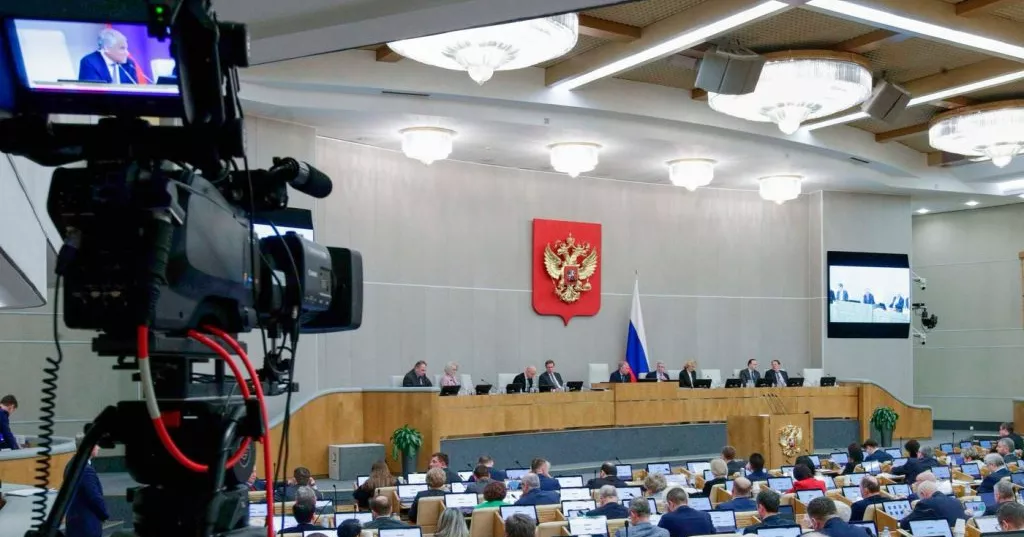
Russian lawmakers on Tuesday approved a package of tax increases as Moscow seeks fresh revenue to support its wartime economy nearly four years into the conflict in Ukraine.
The State Duma endorsed the crucial second reading of a bill that would raise the value-added tax (VAT) rate from 20% to 22%, a change expected to bring an additional 1 trillion rubles (about $12.3 billion) into state coffers.
The legislation also lowers the annual sales threshold for mandatory VAT collection from 60 million rubles (about $739,000) to 10 million rubles (about $123,000). The phased changes, set to run until 2028, aim to curb businesses from splitting operations to avoid taxes, but will sweep many small firms into the VAT net for the first time.
The VAT move is part of a broader set of new taxes the Kremlin hopes will bolster a slowing economy. One measure eliminates a special concessional rate on the state “recycling fee” for cars, which will primarily hit high-end imported vehicles.
Other proposals target higher taxes on alcohol, cigarettes, vapes and beer, as well as new duties on technology products, including smartphones and laptops.
After two years of strong growth driven by military spending, Russia’s economy contracted early this year and is forecast to expand by only about 1% in 2025, according to government estimates. High interest rates — now at 16.5% — aimed at curbing inflation of around 8% have added further pressure.
Lawmakers on Tuesday also approved the draft budget for 2026, which sets military spending at 12.93 trillion rubles ($159 billion), or 16.84 trillion rubles ($207 billion) when security and law enforcement allocations are included.
The tax and budget bills require a final vote in the lower house before moving to the upper chamber and then to President Vladimir Putin for his signature.