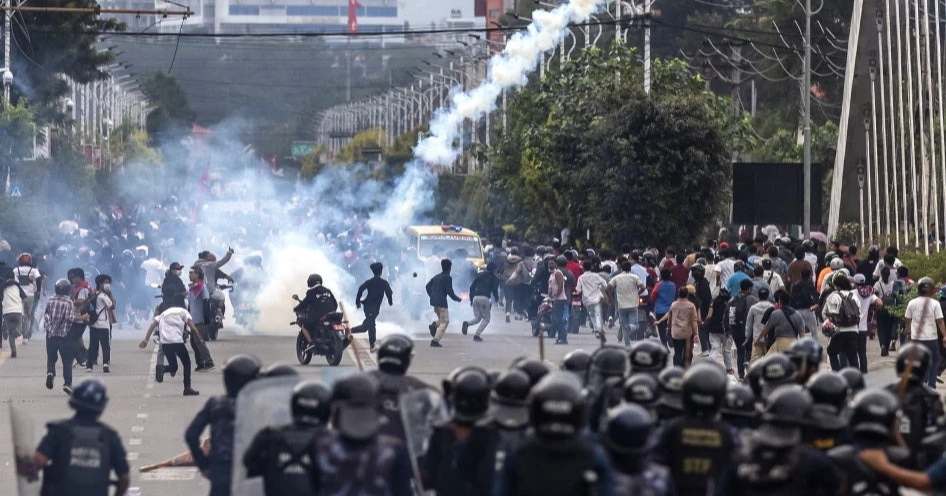
Mukesh Awasti, a 22-year-old protester who lost a leg after being shot by security forces during Nepal’s September protests, says he regrets sacrificing so much for limited change.
The demonstrations, sparked by corruption, lack of opportunities, and social media restrictions, killed 76 people and injured over 2,300, eventually leading to the appointment of Nepal’s first female prime minister, Sushila Karki, who promised elections in March.
However, protesters are disappointed with the interim government’s performance. Only one significant corruption case has been filed, excluding major political figures, and those responsible for violence against demonstrators remain unpunished. Injured protesters have returned to the streets, demanding accountability and systemic reform.
Analysts say the movement’s lack of unified leadership and unclear demands has complicated Nepal’s political landscape. Some groups now oppose the March elections, arguing their goals go beyond parliamentary polls and include ending corruption and jailing corrupt leaders.
Prime Minister Karki maintains the government is focused on preparing for elections and improving security, but the ability to meet protesters’ broader demands remains uncertain, as the constitution provides no clear framework for interim governments beyond overseeing polls.
The Gen Z-led movement highlights both the challenges of youth-driven activism and the gap between revolutionary expectations and political realities in Nepal.