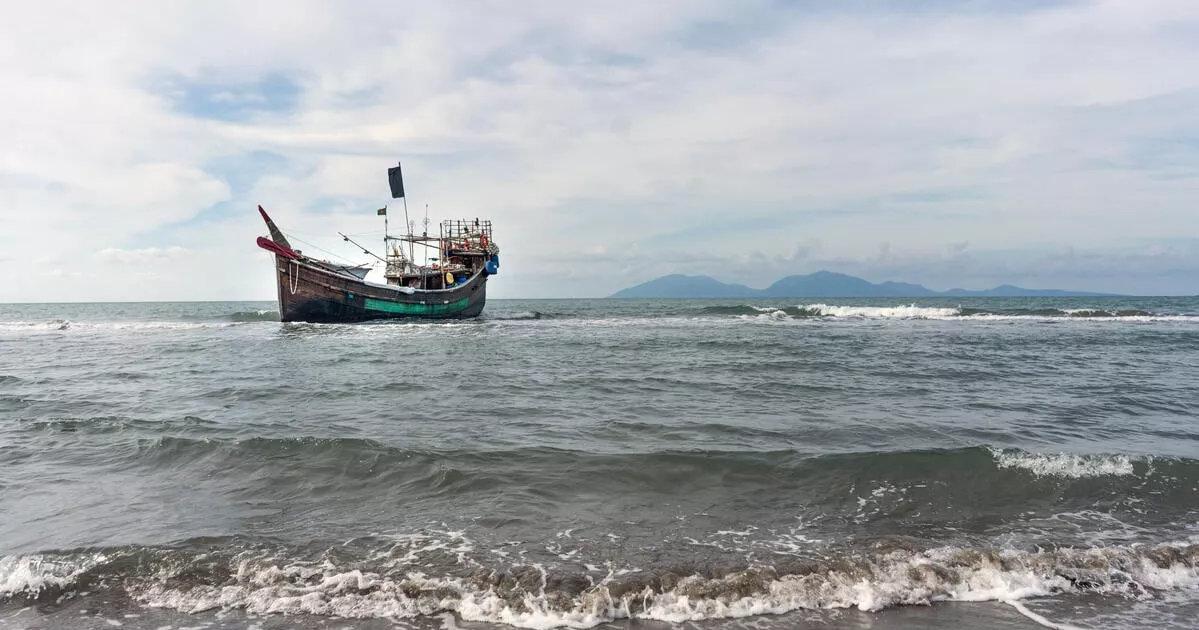
More than 5,300 Rohingya refugees, so far this year, have embarked on dangerous maritime journeys from Bangladesh and Myanmar, with over 600 reported to be missing or have lost their lives, said UN agencies on Tuesday.
Limited assistance and opportunities in refugee camps in Bangladesh, along with escalating conflict and a worsening humanitarian situation in Myanmar, exacerbated by funding cuts, contribute to more and more people attempting perilous sea journeys in search of safety and protection.
In recent years, over two thirds of Rohingya embarking on dangerous sea journeys are women and children.
UNHCR, the UN Refugee Agency, and IOM, the International Organization for Migration, are deeply saddened over the recent tragic capsizing of a boat off the coast of Malaysia and Thailand carrying up to 70 people from Myanmar, including Rohingya.
Some 13 people have been safely brought ashore by Malaysian authorities, with at least 21 confirmed deaths, including two teenage Rohingya girls recovered by Thai authorities. The rest of the passengers remain unaccounted for.
UNHCR and IOM commended the authorities and local communities in Malaysia for their life-saving efforts in rescuing those from the capsized boat.
UNHCR and IOM stand ready to support local authorities by providing assistance to the survivors of this tragic incident following disembarkation.
UNHCR and IOM are extremely concerned about the scale of potential loss of life as at least one other boat is reportedly still at sea, carrying a further 230 people.
Saving lives and rescuing those in distress at sea is a humanitarian imperative and a longstanding duty under international maritime law.
UNHCR and IOM continue to call for more resources and stronger regional and international efforts to enhance search-and-rescue capacity and safe access to asylum to avoid such tragedies.
Death toll from capsized Rohingya migrant boat rises to 26 off Malaysia, Thailand
Greater regional and international support is also needed to achieve a political solution to the crisis and end the hostilities in Myanmar.
Until the drivers of onward movement and the root causes of forced displacement in Myanmar are resolved, refugees will continue to undertake dangerous journeys in search of safety.
UNHCR and IOM are working with national authorities to strengthen protection and solutions of refugees, migrants, and stateless people moving along key routes, including South and South-East Asia.
This “route-based approach” aims to save lives, protect people and reduce harm, and support States in effectively managing mixed movements.