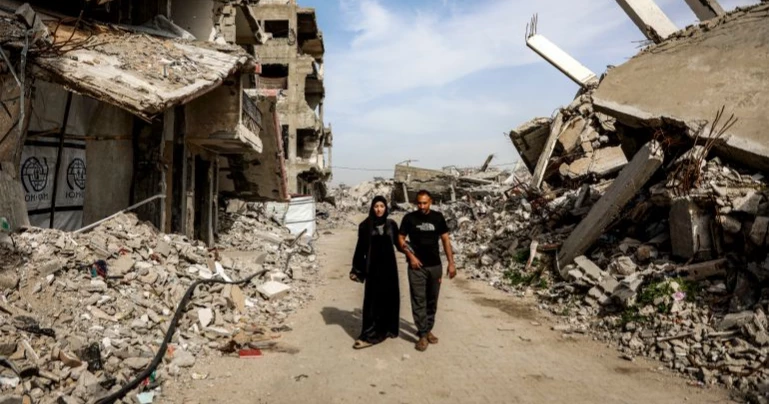
Forty-one Palestinians returned to Gaza on Tuesday through the Rafah crossing with Egypt, becoming the seventh group to enter the enclave since the partial reopening earlier this month, amid continued Israeli attacks and humanitarian challenges.
The returnees, transported in World Health Organization buses, were taken to the Nasser Medical Complex in Khan Younis, according to reports from Al Jazeera correspondents. Many described undergoing humiliating searches and interrogations by the Israeli military, which controls the Palestinian side of the crossing.
The Rafah crossing, the only gateway for most of Gaza’s more than two million residents, remained largely closed during Israel’s military campaign and was reopened partially on February 2 under a US-brokered ceasefire agreement. Since then, 172 Palestinians have returned to Gaza, while only 250, mostly patients needing medical treatment abroad with their companions, have been allowed to leave, far below the numbers outlined in the ceasefire deal.
Gaza’s healthcare system has been severely damaged during the conflict, with 22 hospitals out of service and 1,700 medical staff killed, the Palestinian Health Ministry reported.
Despite the ceasefire, Israeli air strikes and shelling continue. On Wednesday, areas east of Khan Younis were targeted, following at least seven deaths from Israeli attacks the previous day, including three in central Gaza and one north of Khan Younis.
Meanwhile, Israel announced the forced expulsion of two Palestinians convicted of crimes in Israel to Gaza, a move widely condemned by human rights groups. Israeli Prime Minister Benjamin Netanyahu signed orders revoking their citizenship, marking the first implementation of a 2023 law allowing deportation of Palestinian citizens convicted of “terrorism”.
The legal group Adalah described the deportations as “unprecedented” and said they violate international law, leaving the men effectively stateless and unable to access hospitals or register children in schools.
The humanitarian and political situation remains tense as Israeli military operations and restrictions continue to affect daily life in Gaza and the occupied West Bank.
With inputs from ALJAZEERA