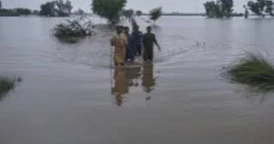
Pakistan’s Punjab province is grappling with the most severe flooding in its recorded history, officials said Sunday, as river levels surge to unprecedented highs and extreme weather continues to batter the region.
This year's intensified monsoon, worsened by global climate change, has led to widespread devastation across the country — particularly in the mountainous north and northwest — where landslides and flash floods have become more frequent.
In eastern Punjab, torrential rainfall has combined with rising river levels exacerbated by water releases from Indian dams, leading to extensive flooding across low-lying areas.
“This is the largest flood Punjab has ever faced,” said provincial senior minister Maryam Aurangzeb during a press briefing. “More than two million people have been affected. For the first time, the Sutlej, Chenab, and Ravi rivers are simultaneously carrying such dangerously high volumes of water.”
Emergency relief operations are underway, with schools, police stations, and military facilities repurposed as temporary shelters. Rescue teams are evacuating residents by boat from submerged areas, she added.
Aurangzeb also noted that the Foreign Ministry is compiling data on India’s recent release of dam water into Pakistani territory, calling it a “deliberate act.” India has yet to respond publicly. Last week, Indian authorities had issued a flood alert to Pakistan, marking a rare diplomatic exchange between the two neighbors since tensions nearly erupted into open conflict in May.
Punjab, home to around 150 million people, is a key contributor to Pakistan’s agricultural output and the country’s main wheat-producing region. The ongoing flooding has raised concerns of a repeat of the 2022 disaster, when floods destroyed vast stretches of farmland and triggered national food insecurity.
Between July 1 and August 27, Punjab has received 26.5% more rainfall than during the same period last year, according to Pakistan’s meteorological department.
The National Disaster Management Authority reports that since June 26, rain-related incidents have killed 849 people and injured over 1,100 across the country. Pakistan’s monsoon season typically continues through the end of September.