
Western officials say Russia is waging a widespread campaign of sabotage across Europe, aiming to disrupt support for Ukraine, expose security weaknesses, and sow divisions among EU nations.
In November, a train carrying nearly 500 passengers in eastern Poland was forced to stop after a broken overhead line shattered windows, while explosives detonated under a freight train on the same line. Poland blamed Russian intelligence and deployed 10,000 troops to protect critical infrastructure.
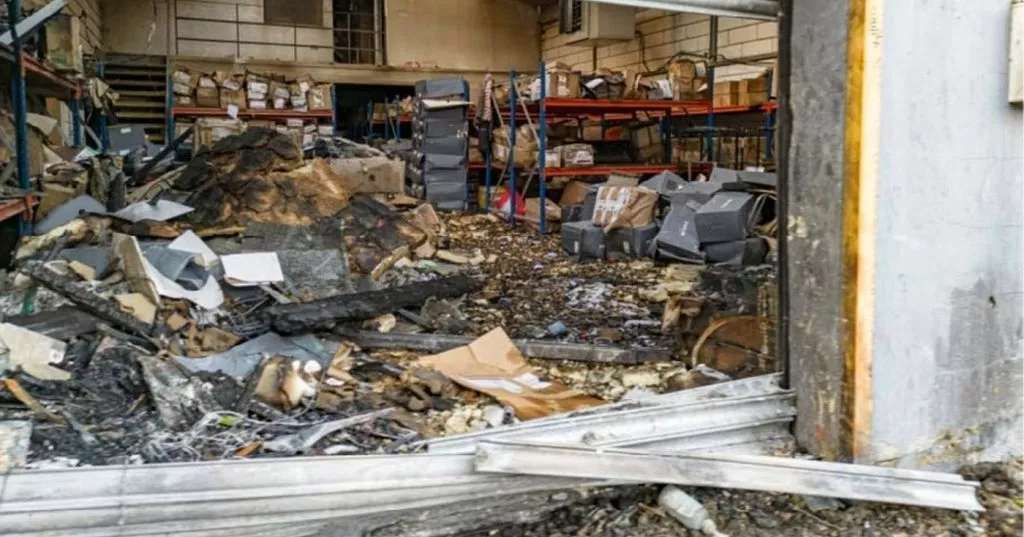
These incidents are part of at least 145 documented sabotage acts since Russia’s invasion of Ukraine in 2022, according to an Associated Press database and European officials. While most attacks have caused limited damage, ranging from vandalism to cyberattacks and warehouse fires, they consume significant resources from security services across Europe, officials say.
European intelligence agencies report that the hybrid campaign costs Russia very little, often relying on foreigners with criminal backgrounds as proxies, while forcing EU nations to cooperate extensively on investigations. “It’s a 24/7 operation between all the services to stop it,” said a senior European intelligence official on condition of anonymity.
Incidents have targeted countries bordering Russia, including Poland and Estonia, as well as Latvia, the U.K., Germany, and France. Officials note a temporary lull in late 2024, likely to align with the start of President Donald Trump’s new administration, but attacks have since resumed at full intensity.
Many plots involve cross-border perpetrators, straining multiple authorities. For instance, a Moldovan man set fire to a Ukrainian restaurant in Estonia and fled through Latvia, Lithuania, and Poland before being caught in Italy. Russian intelligence frequently recruits individuals with criminal records, including former prisoners, to carry out operations, reducing risk to Russian operatives.
Even foiled plots drain European resources while testing defenses. Last year, a Ukrainian recruited by Russian intelligence in Lithuania planted explosives inside drone components, which authorities later intercepted.
Despite the pressure, Moscow’s campaign has prompted greater cooperation among European nations. Latvia, Lithuania, and Estonia have formed joint investigative teams, while U.K. police receive specialized training to detect state-backed attacks.
Officials caution that Russia continues experimenting with new tactics. In Belarus, smuggling networks have repeatedly sent hundreds of weather balloons carrying cigarettes into Lithuania and Poland, temporarily shutting down airports—a hybrid tactic authorities warn could evolve into more dangerous threats.