
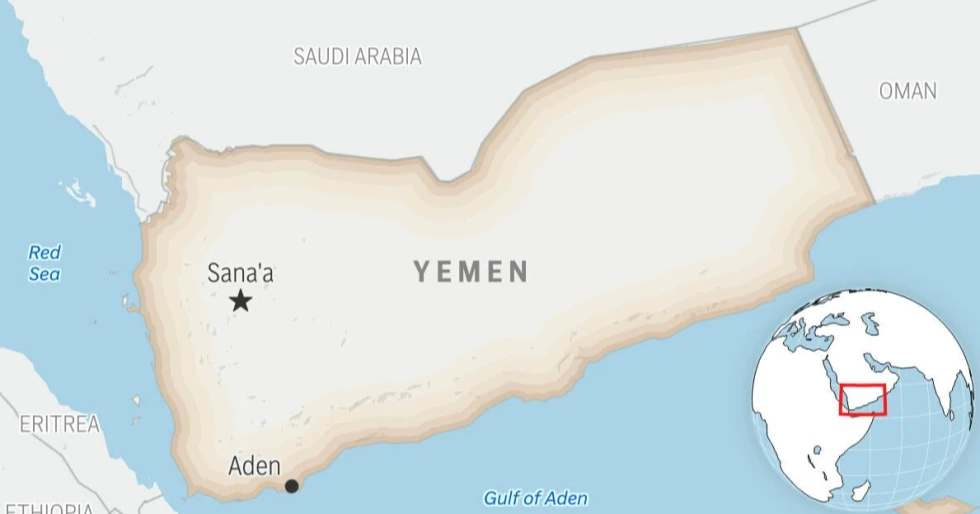
Saudi Arabia has publicly urged Emirati-backed separatists in Yemen to withdraw from two eastern governorates they recently entered, a move that highlights growing strains within the anti-Houthi coalition fighting the Iran-aligned rebels.
In a statement issued on Thursday, the Saudi Foreign Ministry called on the Southern Transitional Council to pull its forces out of Hadramout and Mahra, warning that the deployments risk escalating tensions and harming the interests of Yemenis as well as the broader coalition effort.
The ministry said the separatists’ actions amounted to an unjustified escalation and stressed the need for restraint and cooperation among all Yemeni factions to avoid further instability. It added that mediation efforts were under way to return the Council’s forces to their previous positions and hand over camps in the two governorates to Saudi-backed National Shield Forces.
The Southern Transitional Council has long received support from the United Arab Emirates, while Saudi Arabia backs other groups aligned with Yemen’s internationally recognized government. The latest developments threaten to spark internal confrontation within a coalition already weakened by years of war against the Houthis.
Supporters of the Council have increasingly raised the flag of the former South Yemen, which existed as an independent state until 1990. Calls were issued for demonstrations in the southern city of Aden in favor of renewed secession, though it was unclear whether they would proceed following Riyadh’s announcement. Aden remains a key base for forces opposed to the Houthis.
The dispute also places pressure on relations between Saudi Arabia and the UAE, close allies that are members of OPEC but have competed for influence across the region. Tensions between the two have also surfaced in Sudan, where they back rival sides in another conflict along the Red Sea.
Yemen has been gripped by conflict since the Houthis seized the capital, Sanaa, in 2014 and forced the government into exile. A Saudi-led coalition intervened the following year. The war has killed more than 150,000 people and pushed the country to the brink of famine, creating one of the world’s worst humanitarian crises.
The Houthis have recently disrupted shipping by attacking vessels in the Red Sea over the Israel-Hamas war, prompting many companies to reroute around Africa. They have also detained dozens of U.N. and aid workers, accusing them of espionage, allegations rejected by the United Nations and humanitarian groups.