Slovenia has become the first European Union member to introduce fuel rationing as it grapples with supply disruptions and rising prices triggered by the ongoing conflict involving Iran.
The government moved to control fuel distribution following volatility in global energy markets linked to US-Israeli strikes on Iran and retaliatory actions affecting key Gulf producers.
Authorities said the situation had led to sharp price increases across Europe, while Slovenia has also seen a surge in so-called “fuel tourism,” with drivers from neighbouring countries, especially Austria, crossing the border to take advantage of comparatively lower, regulated prices.
Under the new rules, private motorists are limited to purchasing up to 50 litres of fuel per day, while businesses and farmers are allowed up to 200 litres.
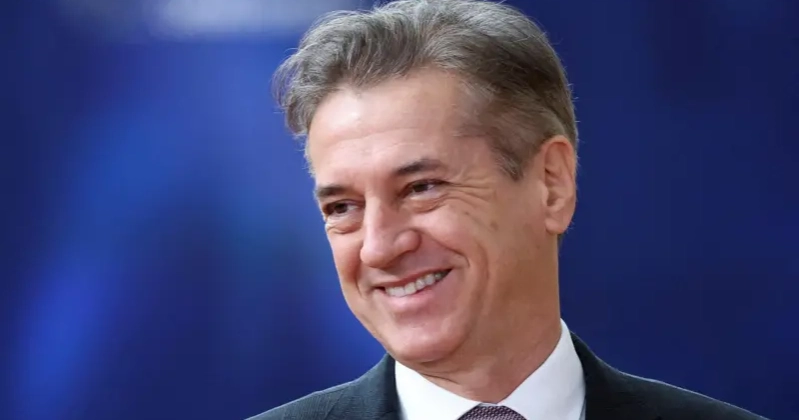
Prime Minister Robert Golob sought to reassure the public that supplies remain sufficient, saying there is no risk of shortages and that fuel reserves are adequate.
The government has tasked petrol stations with enforcing the restrictions, requiring staff to ensure customers do not exceed the set limits.
The unprecedented move has drawn strong reactions from the public, with some drivers saying they have never experienced such measures before.
With inputs from BBC