
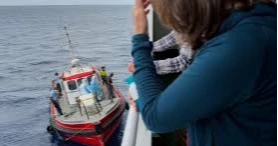
Spanish authorities are preparing to evacuate more than 140 passengers and crew members from a cruise ship affected by a hantavirus outbreak as it approaches the Canary Islands. The Dutch-flagged vessel, the MV Hondius, is expected to arrive in Tenerife on Sunday, where strict health and safety measures will be enforced during disembarkation.
Spain’s emergency services chief, Virginia Barcones, said passengers would be moved to a fully isolated and secured area upon arrival. The United States and the United Kingdom have also arranged evacuation flights for their citizens onboard.
Although three people have died since the outbreak began and five former passengers have tested positive for hantavirus, cruise operator Oceanwide Expeditions stated that no one currently onboard is showing symptoms. The World Health Organization has assessed the overall public risk as low.
WHO officials also confirmed that a flight attendant who briefly came into contact with an infected passenger tested negative for the virus, easing concerns about possible wider transmission. WHO spokesperson Christian Lindmeier emphasized that the outbreak should not be compared to COVID-19, noting that hantavirus is generally difficult to spread between humans.
Hantavirus is typically transmitted through exposure to infected rodent droppings. However, the Andes strain linked to this outbreak may rarely spread between people. Symptoms can appear anywhere from one to eight weeks after exposure.
Health authorities across multiple continents are now tracing and monitoring dozens of passengers who left the ship before the outbreak was officially identified. Officials are also attempting to locate anyone who may have interacted with those passengers.
Passengers remaining onboard said life on the ship has stayed relatively calm despite growing international concern. Some travelers are spending time bird-watching, reading, or attending lectures while following mask-wearing and distancing guidelines. However, several expressed anxiety about how they might be treated once they return home, fearing stigma connected to the outbreak.
Spanish officials reassured residents in the Canary Islands that public exposure risk remains minimal. Once the ship reaches Tenerife, passengers will reportedly be transferred in small groups by boat to guarded buses after their repatriation flights are ready. Authorities also plan to isolate the airport areas used during the evacuation process.
The outbreak became more concerning after more than two dozen passengers from at least 12 countries disembarked on April 24 before contact tracing measures were introduced. Hantavirus was not officially confirmed in a passenger until May 2.
One infected Dutch passenger died in Johannesburg after becoming too ill to continue a flight from South Africa to Amsterdam. Dutch health officials are now tracing passengers and crew who may have been exposed during that journey.
The UK has identified a third suspected hantavirus case involving a British passenger currently on the remote island of Tristan da Cunha. Two other British passengers have already tested positive and are receiving treatment in the Netherlands and South Africa.
Spanish health authorities are also testing a woman in Alicante who developed symptoms consistent with hantavirus after traveling on the same flight as the Dutch passenger who died.
Meanwhile, South African officials continue monitoring contacts linked to passengers who left the ship earlier in the voyage. In the United States, health authorities are observing several returning passengers and their contacts, though none have shown symptoms so far.
The U.S. government is arranging a flight to evacuate approximately 17 Americans still onboard. They will undergo quarantine at the University of Nebraska Medical Center, which previously handled Ebola and early COVID-19 cases. British authorities are also chartering a separate evacuation flight for UK citizens on the ship.