
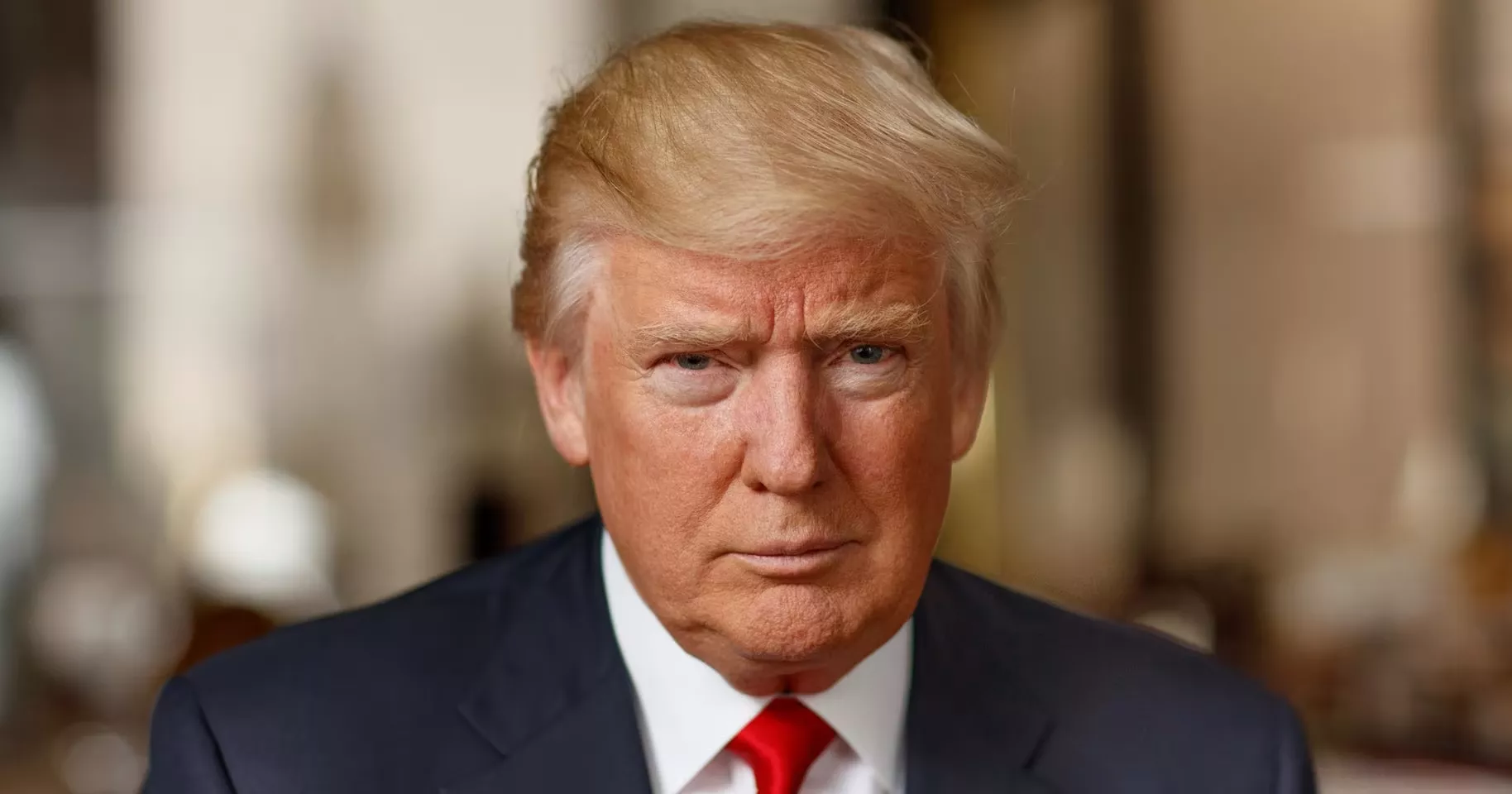
The U.S. Supreme Court met in private Friday to consider President Donald Trump’s executive order restricting birthright citizenship for children born in the United States to parents who are in the country illegally or temporarily.
The justices could decide as early as Monday whether to hear the administration’s appeal of lower court rulings that blocked the order nationwide. The order has not taken effect anywhere in the country. If accepted, the case could be argued in the spring, with a final decision expected by early summer.
Signed on the first day of Trump’s second term, the order is part of a broader immigration crackdown, which also includes expanded enforcement operations and the first peacetime use of the 18th-century Alien Enemies Act.
Lower courts have uniformly ruled that the order likely violates the 14th Amendment, which grants citizenship to anyone born on U.S. soil, except for children of foreign diplomats or occupying forces. The administration argues that children of noncitizens are not “subject to the jurisdiction” of the United States.
The Supreme Court has already issued mixed rulings on related immigration policies. It blocked rapid deportations of Venezuelan gang members under the Alien Enemies Act but allowed enforcement actions in Los Angeles to resume after a lower court limited stops based on race, language, or occupation. The court is also reviewing an emergency appeal to deploy National Guard troops in Chicago for immigration enforcement, which was blocked by a lower court.
Trump’s birthright citizenship order is the first major immigration policy from his administration to reach the high court for a final ruling. Legal challenges include a nationwide injunction by the U.S. Court of Appeals for the 9th Circuit in San Francisco and a class-action lawsuit in New Hampshire covering all affected children.
The American Civil Liberties Union, representing the New Hampshire plaintiffs, called the administration’s arguments “flimsy” and said it is ready to defend the constitutional right to citizenship.