Police patrolled largely deserted streets in Tanzania’s major cities on Tuesday as the government moved to block planned demonstrations against the disputed October election, urging people to stay home for Independence Day.
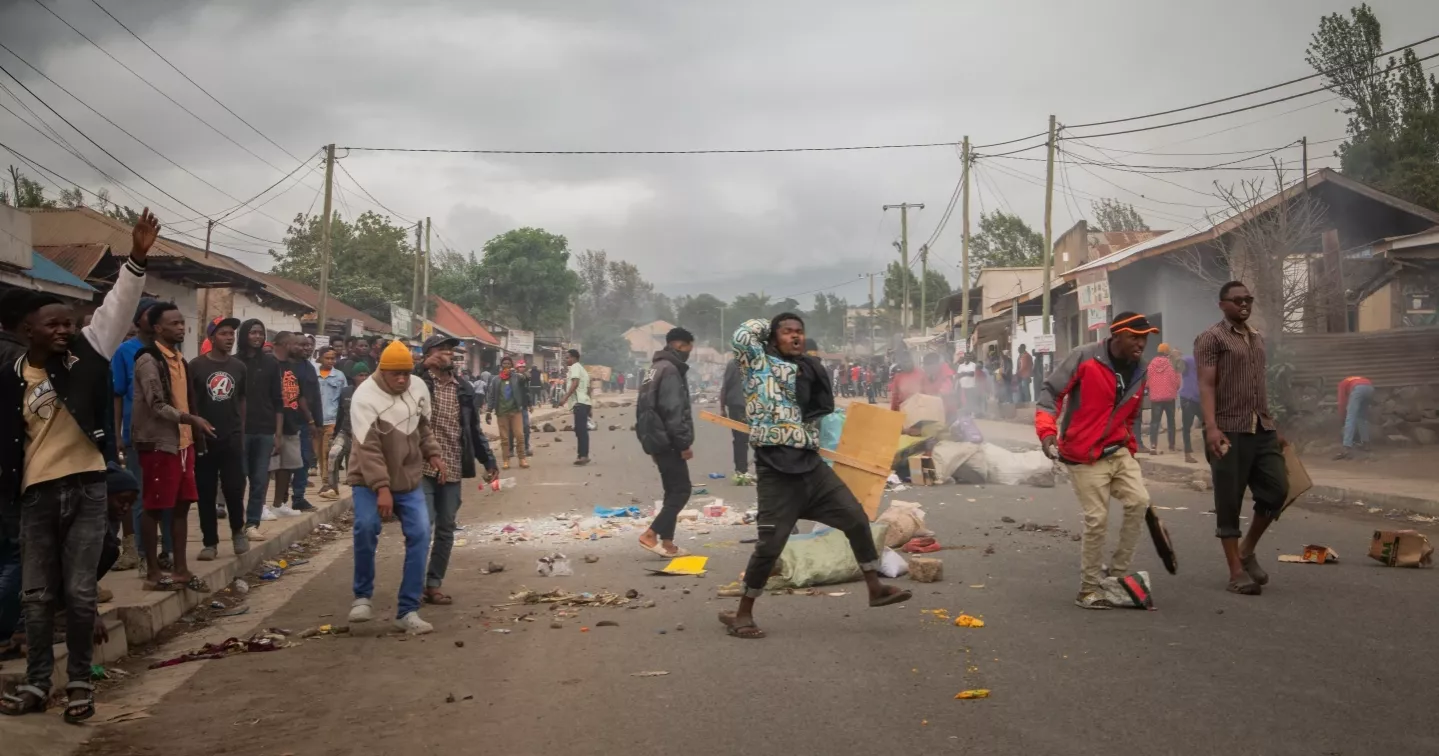
Activists had called for nationwide protests against the ruling party’s victory in the October 29 vote, which sparked three days of unrest that left hundreds dead and saw more than two thousand people detained. Vehicles, polling centers and fuel stations were torched as protesters demanded the cancellation of President Samia Suluhu Hassan’s reelection, which officials declared with more than 97 percent of the vote.
On Tuesday morning, police trucks and foot patrols were seen across Dar es Salaam, the administrative capital Dodoma and Arusha. Roadblocks were set up near key government offices, including President Hassan’s heavily guarded workplaces in Dar es Salaam and Dodoma.
Public transport in Dar es Salaam was halted after bus owners pulled their vehicles from the roads, fearing a repeat of October’s destruction.
Prime Minister Mwigulu Nchemba had asked nonessential workers to stay home. Independence Day celebrations were cancelled last month, with the government saying the funds would instead go toward repairing damaged infrastructure.
The country’s two main opposition parties were barred from challenging Hassan, who first took office after the 2021 death of President John Magufuli. Leading opposition figure Tundu Lissu, who had called for electoral reforms before the vote, has been jailed since April on treason charges.
Human Rights Watch on Monday condemned what it described as a sweeping crackdown on activists, saying at least ten people have been arrested since mid-November over social media posts about the planned protests. Amnesty International urged authorities to allow peaceful assembly and warned against another internet shutdown like the one imposed after the October vote.
The UN human rights office appealed on Friday for Tanzanian authorities to avoid force and work to ease tensions.
In Kenya, dozens of activists voiced support for Tanzanian protesters and called for an investigation into killings and disappearances during the October unrest.
The Tanzanian government has set up a commission to investigate the post-election violence, but its report has not yet been released.