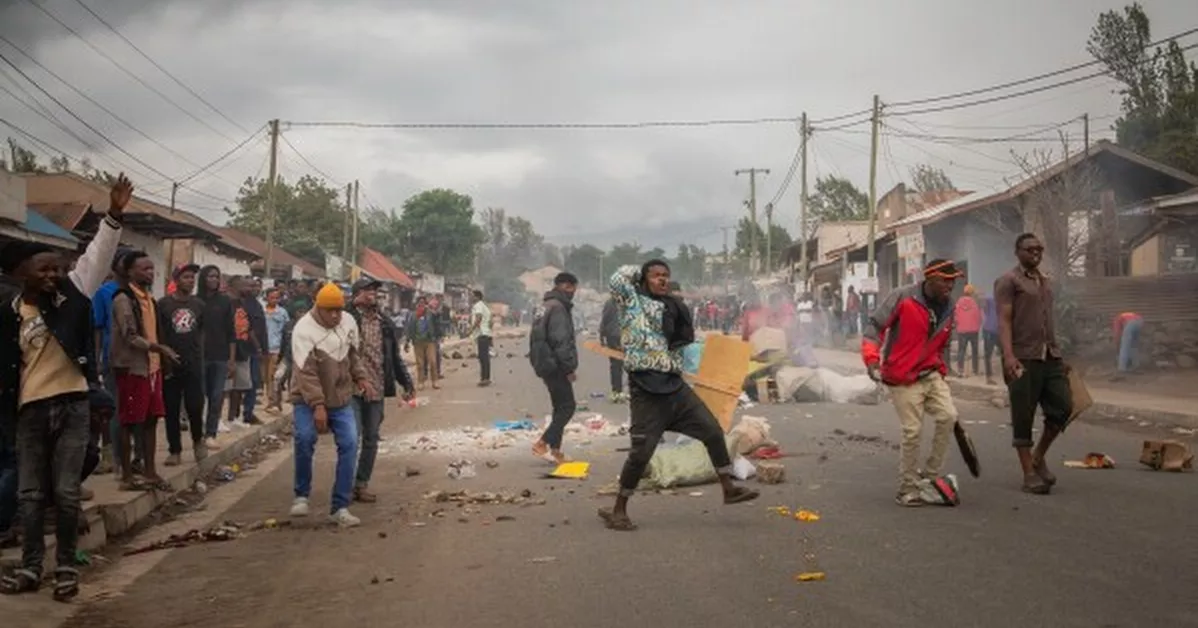
Tanzania is facing growing concern over deaths linked to post-election crackdowns, with the main opposition party accusing security forces of secretly dumping the bodies of hundreds killed during protests.
Demonstrations erupted across the country following the Oct. 29 election, largely driven by young people contesting a vote that foreign observers said fell short of democratic standards, as key opposition figures were barred. Authorities imposed a nationwide curfew, and security forces used live ammunition and tear gas to disperse crowds.
Chadema, Tanzania’s largest opposition party, claimed more than 1,000 people were killed and said security forces were attempting to conceal the scale by secretly disposing of the bodies. Authorities have not responded to the allegations.
President Samia Suluhu Hassan, who won over 97% of the vote, faced criticism as main rivals were blocked from running. Human Rights Watch condemned the violent crackdown, calling for accountability and an end to excessive force. The U.K., Norway, and Canada, as well as the Catholic Church, cited credible reports of numerous fatalities.
Chadema officials reported at least 400 deaths in Tunduma, Mbeya region, and warned that security forces are withholding bodies to hide the extent of the killings. The party has rejected any political pact with the government until electoral and judicial reforms ensure justice for victims.
Independent lawyers and human rights observers reported accounts of army trucks transporting dead bodies, raising fears of cover-ups.
President Hassan, Tanzania’s first female leader, acknowledged the loss of life in her inauguration speech and urged security forces to restore normalcy. Authorities have restricted sharing of photos and videos related to the unrest, warning that violations could lead to treason charges.
Life is gradually returning to normal in major cities as curfews ease and public services resume, though concerns over accountability and transparency remain high.