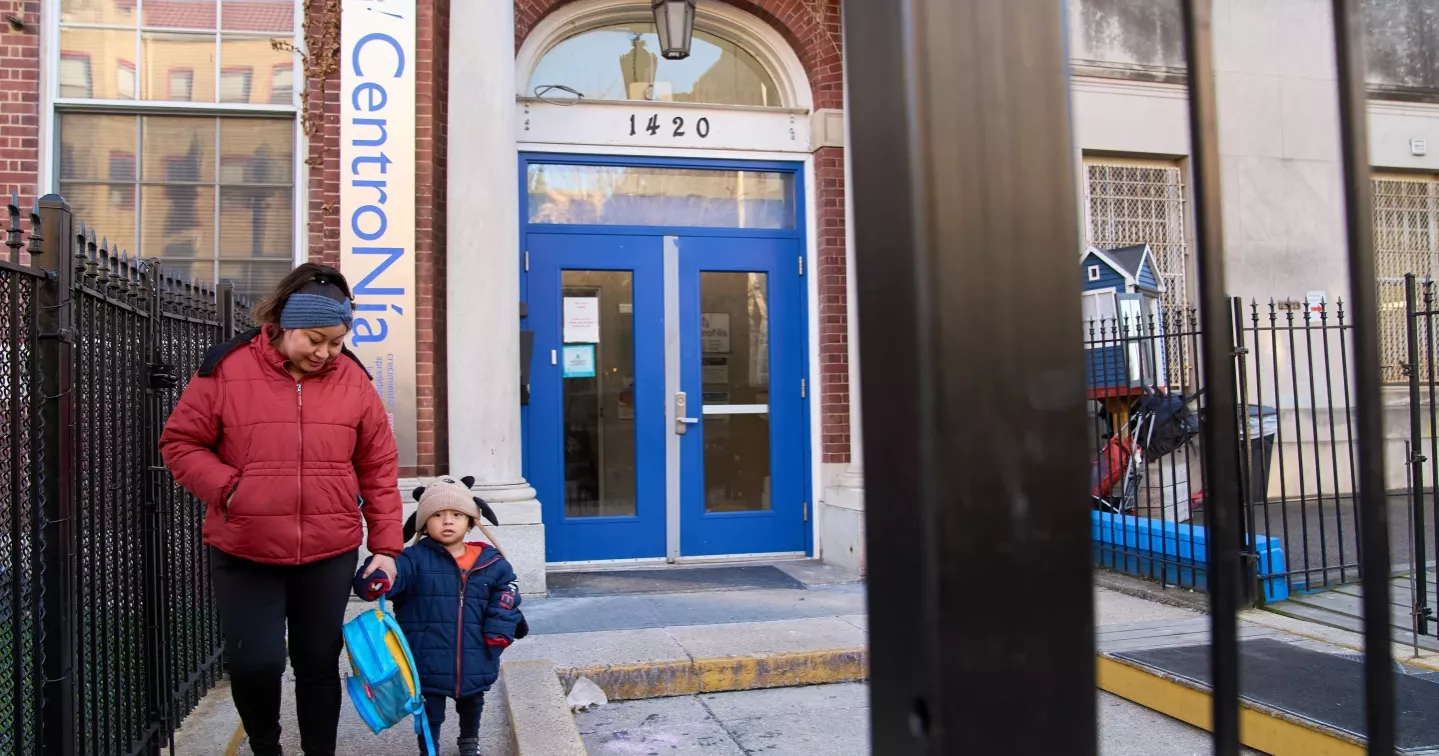
President Donald Trump’s intensified immigration enforcement is taking a heavy toll on U.S. child care workers, particularly in communities with large immigrant populations, according to preschool staff and administrators.
At CentroNía, a bilingual preschool in a historically Latino neighborhood, teachers have altered daily routines out of fear of Immigration and Customs Enforcement (ICE) raids. Staff have stopped taking children on walks, visits to libraries, and playgrounds, and the school canceled its Hispanic Heritage Month parade to avoid drawing attention.
“These concerns dominate all of our decision-making,” said CEO Myrna Peralta. Instead, children are pushed around hallways in strollers, and a classroom was converted into a miniature library after ending a local library partnership.
The child care sector relies heavily on immigrants, who make up roughly one-fifth of the workforce nationwide, and up to 40% in major cities like Washington, D.C., New York, and California. Many are better educated than U.S.-born staff and support programs such as Spanish-language immersion preschools. Most immigrant workers have legal status and work authorization.
Trump’s policies, including ending Temporary Protected Status for hundreds of thousands of immigrants, have forced many workers out of their jobs or the country. Schools report losing teachers, while those who remain face heightened anxiety. Some staff have experienced panic attacks during work hours, and mental health consultants are being deployed to support teachers.
Incidents involving ICE have also affected children. At a Montessori school in Portland, Oregon, a failed ICE arrest of a parent caused a school lockdown, triggering emotional distress among students, including increased outbursts and withdrawal.
Administrators warn that the growing fear among staff is spilling over to children, potentially affecting the quality of care and learning. “If the teachers aren’t good, the kids won’t be good either,” said site director Joangelee Hernández-Figueroa, highlighting the broader impact of immigration enforcement on early education.