
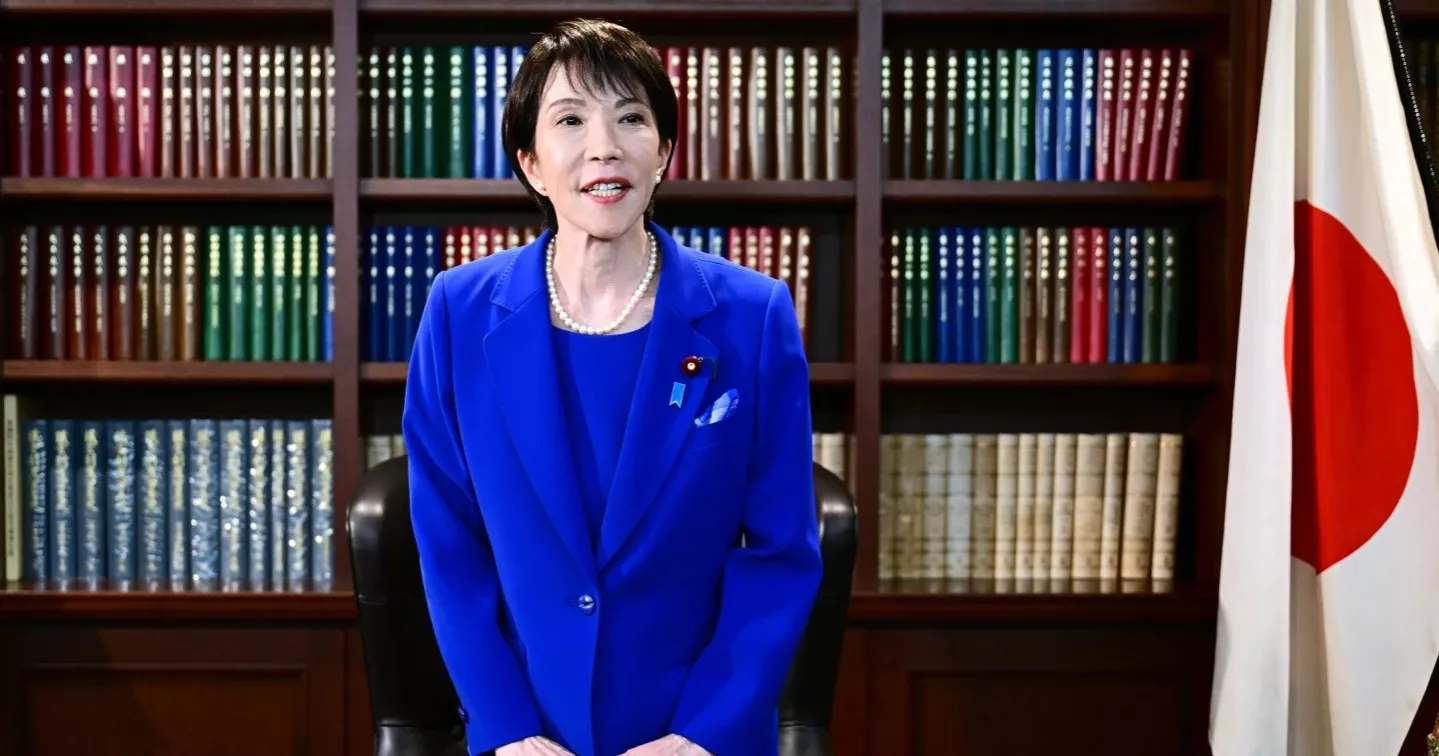
Japan is on the verge of making history as Sanae Takaichi, leader of the ruling Liberal Democratic Party (LDP), is set to become the country’s first female prime minister. The 64-year-old is expected to replace Prime Minister Shigeru Ishiba in Tuesday’s parliamentary vote, ending a three-month political vacuum following the coalition’s defeat in the July election.
Takaichi assumed party leadership amid a major challenge: the moderate Komeito party, which had been in a 26-year-long coalition with the LDP, split over concerns about her ultraconservative stance and the party’s handling of financial scandals. To secure enough votes, she quickly turned to the right-wing Japan Innovation Party (Ishin no Kai), signing a coalition agreement expected Monday. Analysts say the new alliance is fragile, and governing may require cooperation from opposition parties, making Takaichi’s premiership potentially unstable and short-lived.
Her rise breaks a historic gender barrier in a country with low international rankings for gender equality. Yet many women remain unconvinced. Sociologist Chizuko Ueno tweeted that Takaichi’s premiership “doesn’t mean Japanese politics becomes kinder to women,” citing her opposition to same-sex marriage, male-only imperial succession, and the civil law revision allowing married couples separate last names.
A protégé of the late Prime Minister Shinzo Abe, Takaichi is expected to follow his economic and security policies. She faces immediate domestic challenges, including rising prices, economic stimulus, and public frustration, alongside pressing diplomatic tests, such as talks with U.S. President Donald Trump and regional summits.
Takaichi’s nationalist and hawkish positions — including a stronger military, visits to the controversial Yasukuni Shrine, and revisionist views on wartime history — could strain ties with China and South Korea. Her administration must also manage Japan’s demographic challenges and growing xenophobia, though critics say she has offered little long-term vision.
Political observers note that her premiership is shaped by conservative party kingmaker Taro Aso, who retains significant influence over appointments. The coalition’s ideological differences, particularly on fiscal policy, may hinder governance. Analysts suggest that early elections may be necessary to stabilize the government, reflecting a broader shift in Japan toward multiparty politics and coalition governments.
Experts warn that Takaichi will need to balance domestic priorities, opposition cooperation, and international diplomacy carefully. “She needs to be realistic,” said political commentator Chiyako Sato, noting that there is “no room for Takaichi to show her true colors” as she navigates the complex political landscape.
Source: AP