
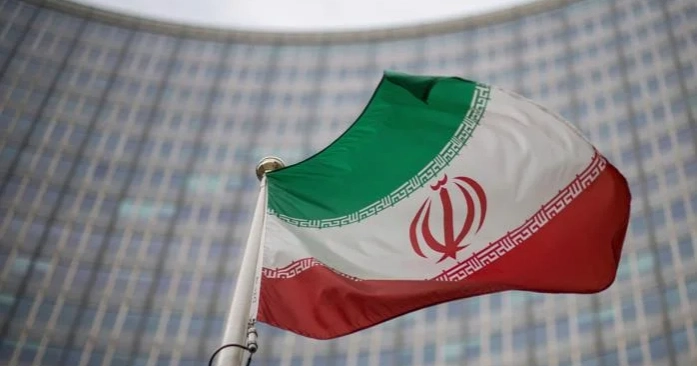
The United Nations’ atomic watchdog on Thursday called on Iran to fully cooperate with the agency, provide detailed information about its near weapons-grade uranium stockpile, and grant inspectors access to its nuclear sites.
The resolution, backed by 19 of the International Atomic Energy Agency’s 35-member board of governors, was proposed by France, the United Kingdom, Germany, and the United States. Russia, China, and Niger opposed it, while 12 countries abstained and one did not vote.
The IAEA said Iran holds 440.9 kilograms of uranium enriched up to 60 percent, close to weapons-grade levels. The stockpile could theoretically allow Iran to produce up to 10 nuclear bombs, though the agency noted it does not indicate that Iran has developed such weapons.
Iran’s ambassador to the IAEA, Reza Najafi, condemned the resolution, describing it as undue pressure and a misleading portrayal of the situation. He said Iran is prepared for constructive engagement but criticized the authors of the resolution for ignoring attacks on its safeguarded nuclear facilities.
Iran had suspended cooperation with the IAEA after Israeli and U.S. strikes on its nuclear sites in June. Although an agreement to resume inspections was reached in September, Iran later halted implementation following the UN’s reimposition of sanctions under the so-called snapback mechanism of the 2015 nuclear deal.
The Thursday resolution instructs IAEA Director General Rafael Grossi to monitor Iran’s compliance, including verification of uranium stockpiles, centrifuge inventories, and related equipment, under the Additional Protocol, which Iran has suspended since 2021.
The IAEA and Western nations maintain that Iran previously pursued a nuclear weapons program before 2003, while Iran continues to insist its nuclear activities are peaceful.