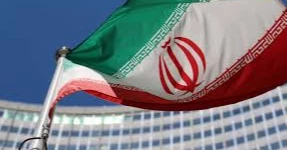
A United Nations Security Council resolution aiming to prevent the reinstatement of sanctions on Iran due to its nuclear activities failed on Friday, following several weeks of unsuccessful diplomatic efforts just before the annual UN General Assembly.
The resolution, introduced by South Korea—the current president of the 15-member Security Council—did not receive the necessary support from nine members to stop the automatic return of sanctions outlined in the 2015 nuclear agreement between Iran and global powers.
Only four nations—China, Russia, Pakistan, and Algeria—backed the resolution. Several of these countries criticized European leaders, accusing them of taking unjustified and illegal actions against Iran.
Last month, France, Germany, and the UK initiated the "snapback" mechanism, which would automatically reinstate all previous UN sanctions that were lifted under the nuclear deal. These include an arms embargo, missile development restrictions, asset freezes, travel bans, and bans on nuclear-related technologies. Iran, already strained by a recent 12-day war with Israel and years of economic crisis, now faces further isolation.
Reactivating the snapback mechanism is expected to escalate tensions between Iran and Western countries. It remains unclear how Iran will respond, although in the past, officials have warned they might withdraw from the Nuclear Nonproliferation Treaty, possibly following the path of North Korea, which left the treaty in 2003 and later developed nuclear weapons.
In a statement, Iran’s Foreign Ministry reaffirmed its commitment to defending its national interests through diplomatic means and warned it reserves the right to respond to any illegal actions.
Ahead of the vote, Russia’s UN ambassador, Vassily Nebenzia, accused European countries of using the Security Council as a political tool to pressure Iran. China also criticized the move, saying it effectively ended eight years of diplomatic negotiations.
Iran’s UN ambassador, Amir-Saeid Iravani, thanked the four nations that voted in favor of blocking sanctions and condemned what he called coercive tactics. “They chose the right side of history,” he said.
The snapback mechanism is structured to go into effect unless the Security Council actively blocks it, which didn't happen. Still, the UK emphasized that the failed vote doesn't rule out further diplomatic attempts to halt the sanctions.
British Ambassador Barbara Woodward said, “The United Kingdom remains committed to diplomacy and is ready for more talks in the coming days to resolve the issue.”
Diplomatic talks between Iran and European countries have intensified recently, but no breakthrough has been achieved. Signs were already pointing to the likely return of sanctions.
Asked Thursday in an Israeli TV interview whether the snapback was inevitable, French President Emmanuel Macron replied, “Yes, I think so,” citing a lack of serious engagement from Iran.
Germany and the EU had warned Iran earlier in the week that it hadn’t taken the necessary steps to prevent the sanctions from being reimposed.
“The window for a diplomatic solution on Iran’s nuclear issue is closing fast,” said EU foreign policy chief Kaja Kallas. She called on Iran to meet the demands of France, Germany, and the UK, including full cooperation with the International Atomic Energy Agency (IAEA) and immediate access to all nuclear sites.
Europe warns Iran over failure to act as UN sanctions 'snapback' looms
Iranian Foreign Minister Abbas Araghchi responded by rejecting the sanctions as having “no legal or logical basis.” He also referenced a new deal with the IAEA, brokered by Egypt, allowing inspections at all Iranian nuclear sites and full reporting on its nuclear materials.
While the details of this agreement have not been made public, IAEA Director Rafael Grossi said last week that the deal outlines procedures for inspection and reporting across all Iranian facilities. He stated it would allow for inspection access, though no timeline was provided.
Nearly 2 million Afghans head home from Iran in 8 months
The recent 12-day conflict launched by Israel against Iran, which included strikes by both Israeli and American forces on Iranian nuclear sites, has raised serious concerns about the status of Iran’s enriched uranium, which is believed to be close to weapons-grade levels.