New U.S. tariffs on Indian exports came into force Wednesday, posing a serious threat to India’s trade with its top export destination.
President Donald Trump initially set a 25% duty on Indian imports, but earlier this month, he signed an executive order adding another 25% in response to India’s continued oil imports from Russia. The combined 50% tariff is expected to impact $48.2 billion in Indian exports, according to Indian officials, who warn it may render trade with the U.S. economically unsustainable, risking job losses and slower GDP growth.
While economic ties between India and the U.S. have grown, they remain fragile due to disagreements over market access and political considerations. The new tariffs may further strain relations and impact India’s economic momentum.
Key Sectors Affected
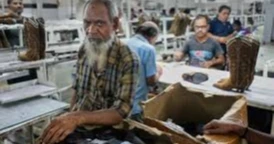
A report from the Global Trade Research Initiative, a Delhi-based think tank, highlights that labor-intensive industries such as textiles, jewelry, leather goods, food products, and automobiles will be the hardest hit.
“This sudden tariff hike is a strategic blow that could erase India’s long-standing market position in the U.S.,” said Ajay Srivastava, the think tank’s founder and a former trade official. He warned that the move could trigger unemployment in export-driven sectors and undermine India’s manufacturing role globally.
Sectors like pharmaceuticals and electronics have been spared for now, providing some relief due to their significant share in India’s exports.
Exporters Express Concern
Puran Dawar, a leather footwear exporter based in Agra and a supplier to global retailer Zara, called the new tariffs a major shock. He noted that unless domestic demand picks up or new markets are found, the leather industry will face severe short-term challenges.
Dawar, who also chairs a regional export promotion council, emphasized that American consumers would also bear the brunt of higher prices due to the tariffs.
Export groups say that many small and mid-sized Indian businesses heavily dependent on the U.S. will be particularly vulnerable.
“It’s a complex situation. For some products, continued exports will simply no longer make sense,” said Ajay Sahai, Director General of the Federation of Indian Export Organizations.
Modi Stands Firm Amid U.S. Pressure
The U.S. continues to push India to open its agricultural and dairy markets. Although the two nations have had five rounds of trade negotiations, no agreement has been reached—primarily due to India’s reluctance to open these sectors, fearing job losses for millions of farmers and small businesses.
Prime Minister Narendra Modi has stated he will not bow to pressure. “The welfare of our farmers, small traders, and dairy sector is my priority,” Modi said at a rally in Gujarat. He criticized what he described as “economic selfishness” in global politics.
Following the tariff announcement, a planned sixth round of trade talks was canceled by a U.S. delegation.
India Plans Economic Measures to Offset Impact
To mitigate the effects of the tariffs, India is planning several domestic reforms. These include potential reductions in the goods and services tax on insurance, vehicles, and home appliances ahead of Diwali to boost consumer spending.
Government departments are also exploring new financial incentives for exporters, including cheaper credit options.
In parallel, India is seeking to diversify its trade partners by expanding exports to regions like Latin America, Africa, and Southeast Asia. Ongoing trade negotiations with the European Union are expected to take on greater urgency as India looks to lessen its reliance on the U.S. market.