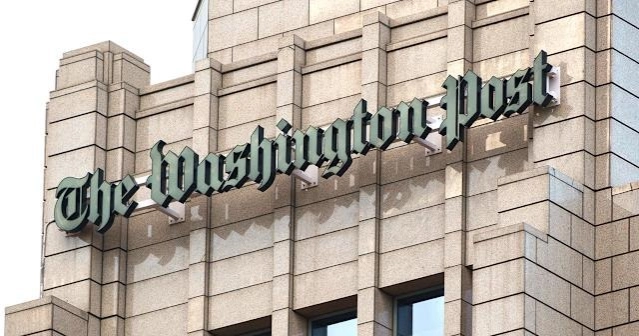
The Washington Post has laid off around one-third of its workforce, shutting down its sports section, several foreign bureaus and its long-running books coverage in a move that has shaken one of America’s most storied news organizations.
Executive Editor Matt Murray described the decision as painful but necessary, saying the paper must adapt to changing technology and audience habits. “We can’t be everything to everyone,” he told staff, adding that the changes are aimed at putting the newspaper on firmer ground.
The scale of the cuts stunned employees and the wider journalism community. Layoff notices were sent across nearly all newsroom departments, ending decades of coverage areas that helped define the Post’s identity.
Former Post editor Martin Baron strongly criticized the decision, calling it “near-instant, self-inflicted brand destruction,” while Columbia University journalism professor and former Post columnist Margaret Sullivan said the move was “devastating for anyone who cares about journalism.”
Former U.S. House Speaker Nancy Pelosi also condemned the layoffs, warning that corporate decisions are “hollowing out newsrooms across the country” and weakening democracy. Speaking at the Washington Press Club Foundation, she said a free press cannot survive without proper resources.
The Post’s owner, billionaire Jeff Bezos, did not comment publicly. In recent weeks, journalists had urged him to intervene as rumors of layoffs spread. The paper has reportedly lost subscribers, partly due to controversial decisions such as pulling back from endorsing Kamala Harris in the 2024 presidential election and shifting the tone of its opinion pages.
Specific cuts continued to emerge throughout the day. The Post’s Cairo bureau chief confirmed that all Middle East correspondents and editors were laid off, while reporters covering conflicts in Ukraine and other regions also lost their jobs.
Founded nearly 150 years ago, The Washington Post is famed for its Watergate investigation and influential reporting on politics, culture and society. Critics fear the latest cuts threaten that legacy.
Murray said the paper will now focus on areas where it has the most impact, including politics, national affairs and security. He acknowledged that the Post has struggled to keep pace with digital formats like video and that its overall story output has declined in recent years.
The layoffs come amid wider turmoil in U.S. media. On the same day, the Atlanta Journal-Constitution announced cuts affecting about 15% of its staff as it continues its shift to an all-digital model.
For many journalists, the Post’s decision signals a troubling moment for American journalism — one where even the most iconic newsrooms are no longer immune to deep cuts.