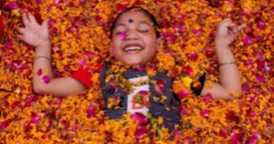
Holi, often called the Hindu festival of colors, is a vibrant annual celebration marking the arrival of spring. Observed mainly in India, Nepal and other South Asian nations, as well as among the global Indian diaspora, the festival blends cultural joy with deep religious meaning. It symbolizes love, renewal and the triumph of positivity over negativity.
The celebration usually takes place in March, on the last full moon day of the Hindu luni-solar month of Falgun. Because it follows the lunar calendar, the exact date changes each year. In 2026, Holi will be observed on March 4.
One of the festival’s most recognizable traditions sees participants dressed in white gathering outdoors to toss bright colored powders at one another, transforming streets into a mosaic of hues. Music, dancing and festive foods add to the lively atmosphere.
Mythological Roots
Holi’s origins lie in Hindu mythology, and many communities light bonfires on the eve of the festival to represent the victory of good over evil.
A popular legend tells of the demon king Hiranyakashipu, who demanded to be worshipped as a god. When his son Prahlada remained devoted to Vishnu instead, the king plotted to kill him. He enlisted his sister Holika, believed to be immune to fire, to sit with the boy in a blazing pyre. However, Prahlada’s devotion saved him, while Holika perished — a story that underscores faith and righteousness prevailing over evil.
In parts of southern India, the festival is linked to the tale of Shiva burning Kamadeva, the god of love, with his third eye. Known as Kama Dahanam, the event signifies overcoming earthly desires in pursuit of spiritual growth.
Holi is also associated with Krishna and his playful love for Radha, along with his interactions with the gopikas, who symbolize devotion and unconditional love.
Celebrations and Traditions
On Holi, towns and neighborhoods come alive as people splash colored powders and water on friends and strangers alike. Water balloons and squirt guns add to the fun, and celebrants often greet one another with shouts of “Holi hai!” meaning “It’s Holi!” Over time, Bollywood films have further popularized the festival’s exuberant spirit.
Each color used during Holi carries symbolism: blue reflects Krishna’s complexion, green represents spring and new beginnings, red is linked to marriage and fertility, and red and yellow together denote auspiciousness in Hindu rituals.
Special dishes are central to the festivities. A favorite treat is “gujia,” a deep-fried pastry filled with sweetened milk solids, nuts and dried fruits. Another staple is “thandai,” a chilled drink made with milk, sugar, almonds, fennel seeds, rose petals, poppy seeds and saffron.
Holi in the Diaspora
Beyond South Asia, Holi is celebrated with religious observances and community events. In North America and other regions with significant Hindu populations, festivities range from temple ceremonies and Holika Dahan bonfires to cultural programs, parades and Bollywood-themed gatherings.
Hindu temples and community centers abroad often organize cricket matches and other social activities around the holiday, helping preserve tradition while bringing communities together in celebration.