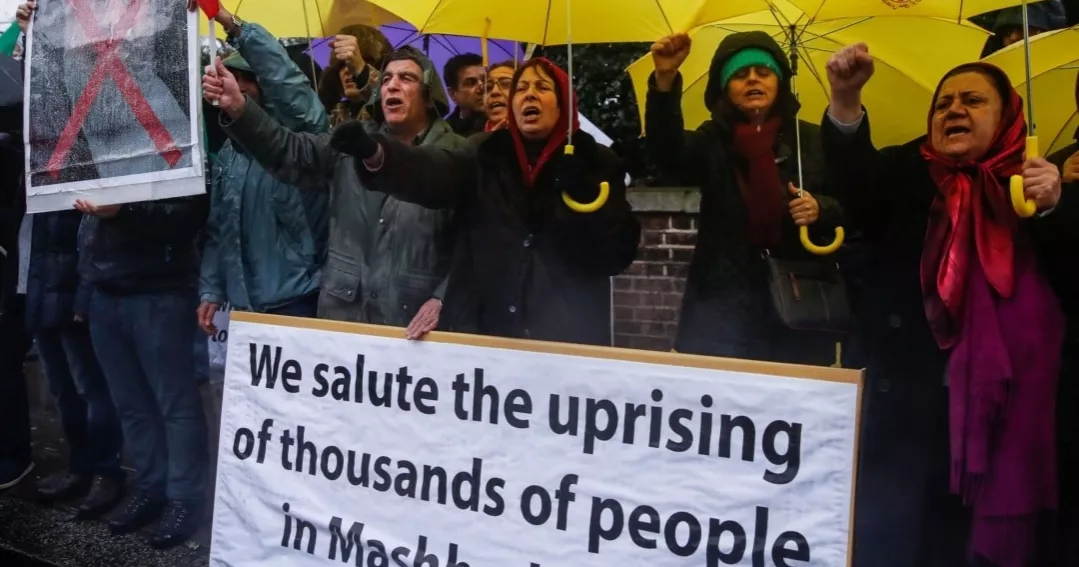
Nationwide protests in Iran, driven by deepening economic hardship, are placing renewed pressure on the country’s theocratic leadership as authorities shut down internet and phone networks to curb unrest.
The demonstrations erupted amid a collapsing economy worsened by renewed UN sanctions over Iran’s nuclear programme. The rial has plunged to more than 1.4 million to the US dollar, inflation hovers around 40%, and prices of food and fuel have surged. Recent fuel price hikes and the removal of subsidised exchange rates for most imports further inflamed public anger.
According to the US-based Human Rights Activists News Agency, more than 600 protests have taken place across all 31 provinces. At least 646 people have been killed and over 10,700 arrested, though Iran has not released official figures. Independent verification is difficult due to the communications blackout and restrictions on journalists.
The protests began in late December with merchants in Tehran before spreading nationwide. While initially focused on economic grievances, chants soon turned openly anti-government. Discontent has simmered for years, notably after the 2022 death of Mahsa Amini in police custody.
Iran’s regional position is also weakened. Its “Axis of Resistance” allies — including Hamas, Hezbollah, the Assad government in Syria and Yemen’s Houthis — have suffered major setbacks amid wars and Israeli and US strikes. Meanwhile, Tehran remains under intense scrutiny over its nuclear activities, having enriched uranium close to weapons-grade levels before US strikes on nuclear sites in June.
US President Donald Trump has warned Iran against violently suppressing protesters, saying Washington is closely watching events. Relations between Iran and the US remain deeply strained, rooted in decades of hostility following the 1979 Islamic Revolution, the US embassy hostage crisis, and disputes over Iran’s nuclear ambitions.
Despite the crackdown, protests continue, highlighting the most serious challenge to Iran’s leadership in years.