Cameroon’s Constitutional Council on Monday confirmed President Paul Biya, the world’s oldest leader at 92, as the winner of the Oct. 12 presidential election.
Biya, in power since 1982, received 53.66% of the votes, while former ally-turned-opponent Issa Tchiroma Bakary won 35.19%, with a voter turnout of 57.7%.
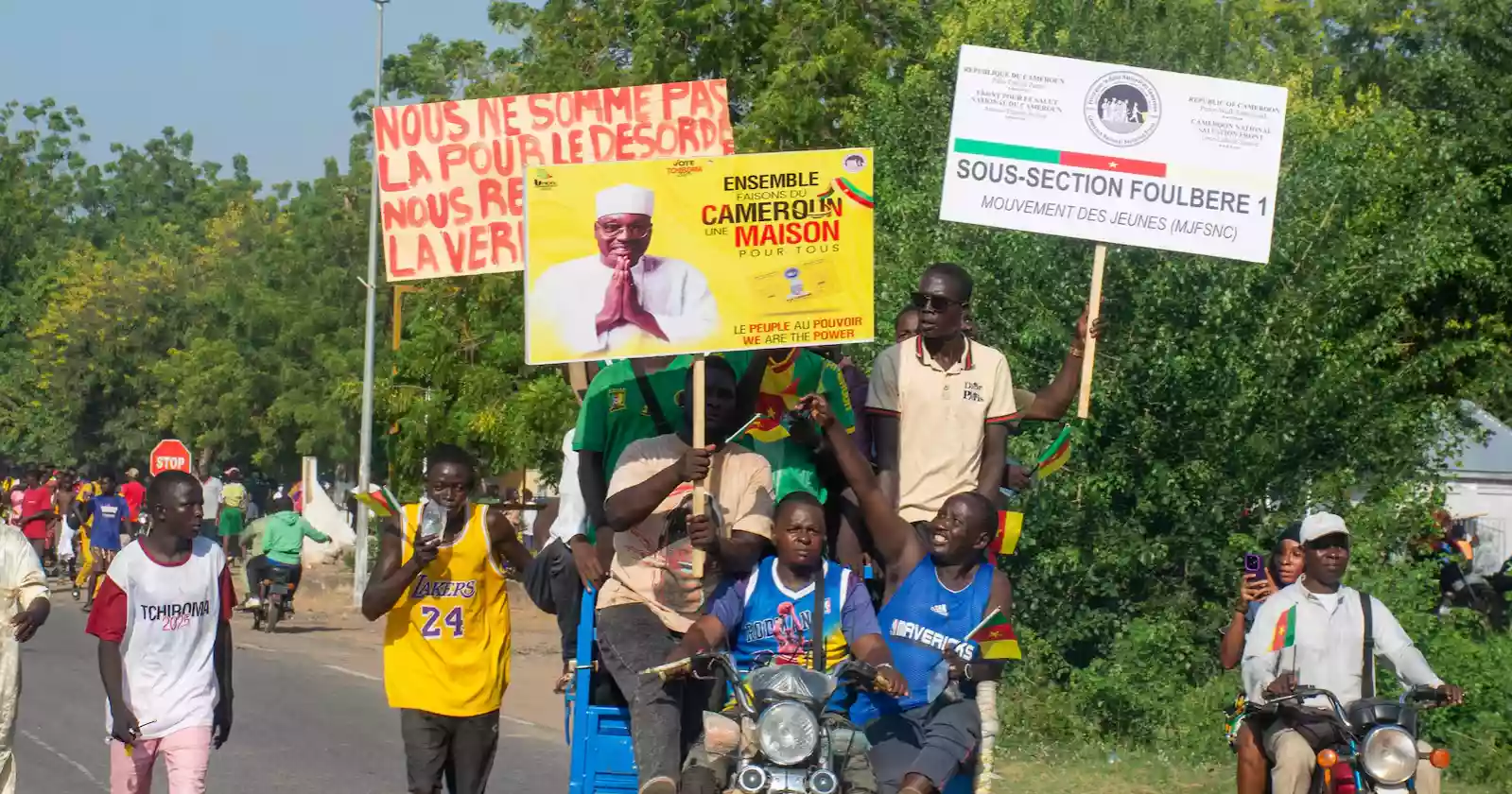
The announcement followed violent clashes between security forces and opposition supporters. At least four protesters were killed and hundreds arrested in cities including Douala, Garoua, and Maroua. Tchiroma had earlier claimed victory based on party-collected results, which Biya dismissed.
The election has stirred tensions, particularly among young Cameroonians who make up over 70% of the nearly 30 million population. Critics accuse Biya of using state machinery to influence the vote and of sidelining strong rivals.
Biya’s long tenure has coincided with persistent crises, including Boko Haram attacks in the north and a secessionist insurgency in the English-speaking regions, which has killed thousands and displaced over a million. Despite modest economic growth, many young people remain in informal jobs and see little benefit from the nation’s oil wealth.
Experts warn that dissatisfaction among youth and continued unrest could threaten stability in Cameroon as hopes for meaningful political change remain unfulfilled.