
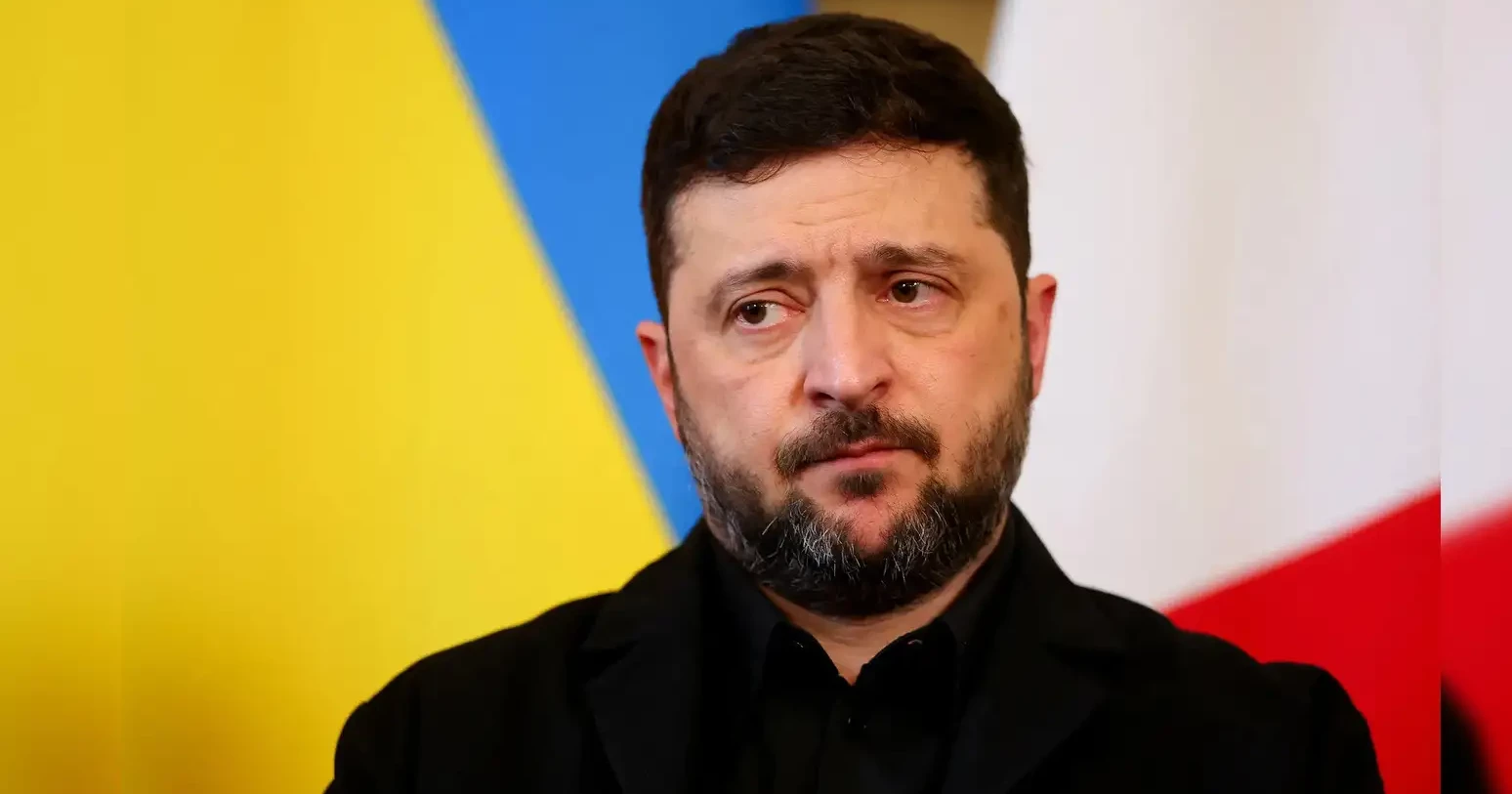
President Volodymyr Zelenskyy met with British, French and German leaders in London on Monday, as Europe rallied behind Ukraine at what they described as a pivotal stage in U.S.-led peace efforts to end Russia’s invasion.
U.K. Prime Minister Keir Starmer hosted Zelenskyy, French President Emmanuel Macron and German Chancellor Friedrich Merz at 10 Downing Street to strengthen Ukraine’s negotiating position amid growing impatience from U.S. President Donald Trump.
Afterward, the leaders contacted other European partners, calling for sustained pressure on Russian President Vladimir Putin. Starmer’s office said they agreed this was a “critical moment” requiring increased support for Ukraine and tougher economic measures against Russia.
Starmer’s spokesman, Tom Wells, said progress was being made but that “outstanding issues” remain. Macron’s office noted the meeting helped coordinate European additions to the U.S. proposal.
Speaking to reporters later, Zelenskyy said the latest U.S. peace plan had been reduced from 28 to 20 points after removing what he described as “obviously anti-Ukrainian” elements. He emphasized that Ukraine still needs clarity on security guarantees, especially regarding the risk of renewed Russian aggression after the war.
Trump, in comments Sunday night, expressed frustration that Zelenskyy “hasn’t read the proposal,” while Zelenskyy insisted Trump wants the war to end but does not see the conflict the way Ukrainians do.
Before the meeting, Starmer, Macron and Merz emphasized support for Ukraine. Starmer called the peace effort “critical” and urged a “just and lasting ceasefire.” Merz said he was wary of aspects of the U.S. documents and that the coming days could be decisive.
European leaders want any ceasefire backed by firm U.S. and European security guarantees, though Trump has not publicly committed to any. Zelenskyy said his meetings in London and Brussels would focus on defense support and long-term funding, stressing that Ukraine depends on both Europe and the United States.
Starmer’s office added that national security advisers will keep negotiating in the coming days.
Challenges in the peace plan
U.S. and Ukrainian negotiators concluded three days of talks Saturday to close gaps in the U.S. proposal. Zelenskyy said discussions were “substantive” and that senior Ukrainian officials were returning to brief him.
A major dispute concerns a U.S. suggestion that Kyiv give up control of the Donbas region, most of which Russia occupies. Ukraine and its European partners reject ceding territory. Starmer said he would not pressure Zelenskyy to agree.
Trump, who has urged Ukraine to surrender land to end the war and has criticized the cost of U.S. aid, continues to take a fluctuating stance toward Kyiv.
U.S. national security strategy released
The London talks came shortly after the U.S. unveiled a new national security strategy that unsettled European governments but drew praise from Moscow. Kremlin spokesman Dmitry Peskov said the document aligned with Russia’s views and welcomed its call for improved relations and reduced tensions.
The U.S. strategy said Washington aims to stabilize its relationship with Russia and sees ending the war as key to that goal. It also argued NATO should not expand indefinitely and criticized European allies’ migration and free-speech policies.
The U.K. government declined to comment on the U.S. document.
Continued attacks on Ukraine
Despite diplomatic efforts, Russian drone strikes continued. In Okhtyrka, drones hit an apartment block, injuring seven people. In Chernihiv, another drone blast wounded three people and damaged residential buildings and infrastructure.
Ukraine said Russia launched 149 drones overnight, of which 131 were intercepted. Russia reported downing 67 Ukrainian drones over 11 regions.